

State Care and Its Dynamics
Background
Society prefers "clean" victims who recover with gratitude. I am not that. I live in a fractured timeline where past and present collide. The state uses DARVO tactics* to hide its cowardice, fearing the damage it deliberately created. This is not a story of recovery; it is a testament to a life permanently altered by institutional betrayal**.
State Care and Its Dynamics
Random photographs and artwork are brought together under the title State Care and Its Dynamics show a mix of memories, realities and different realities. Through these works, visitors glimpse the dynamics of life within the system and its lifelong complex aftermath. Photographs alternate and underline the reality of the artwork.
Click to enlarge

Blueprint in the baby ward (Helper Haven, Groningen 1964-1965)
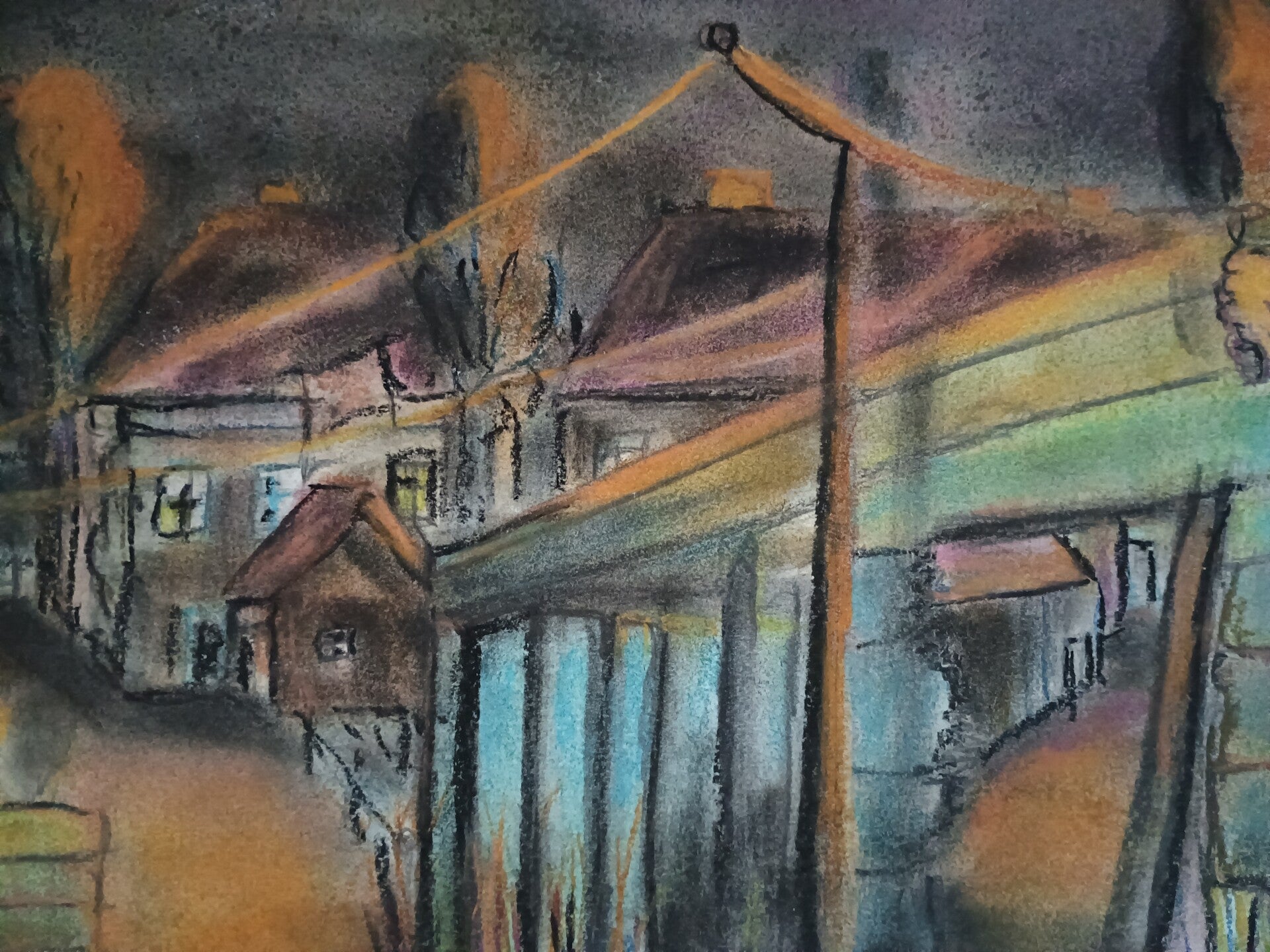
My home (1965)
pastel drawing from memory created in 1996
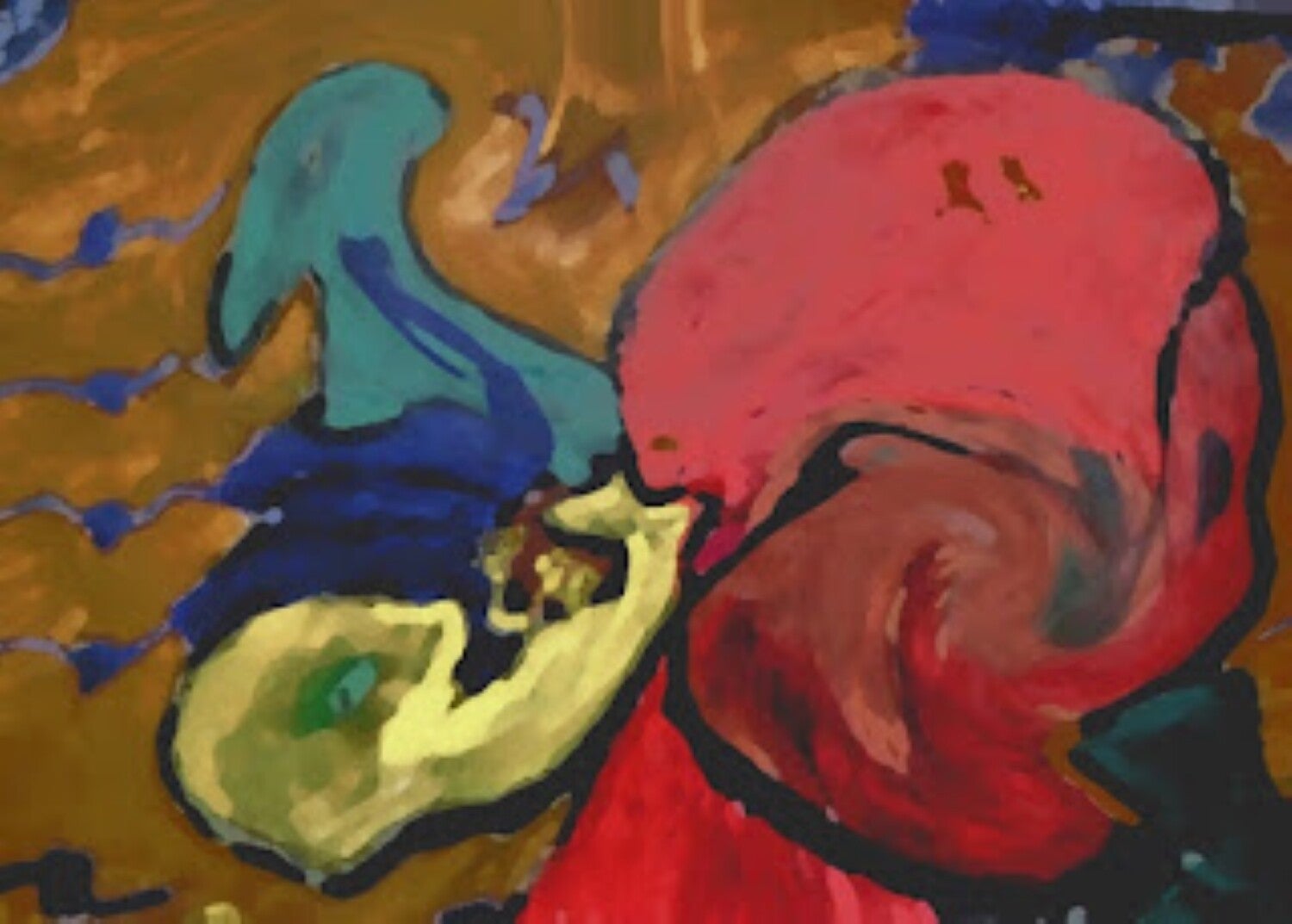
Self portrait
Acrylic on paper 1992
(my first drawing ever)
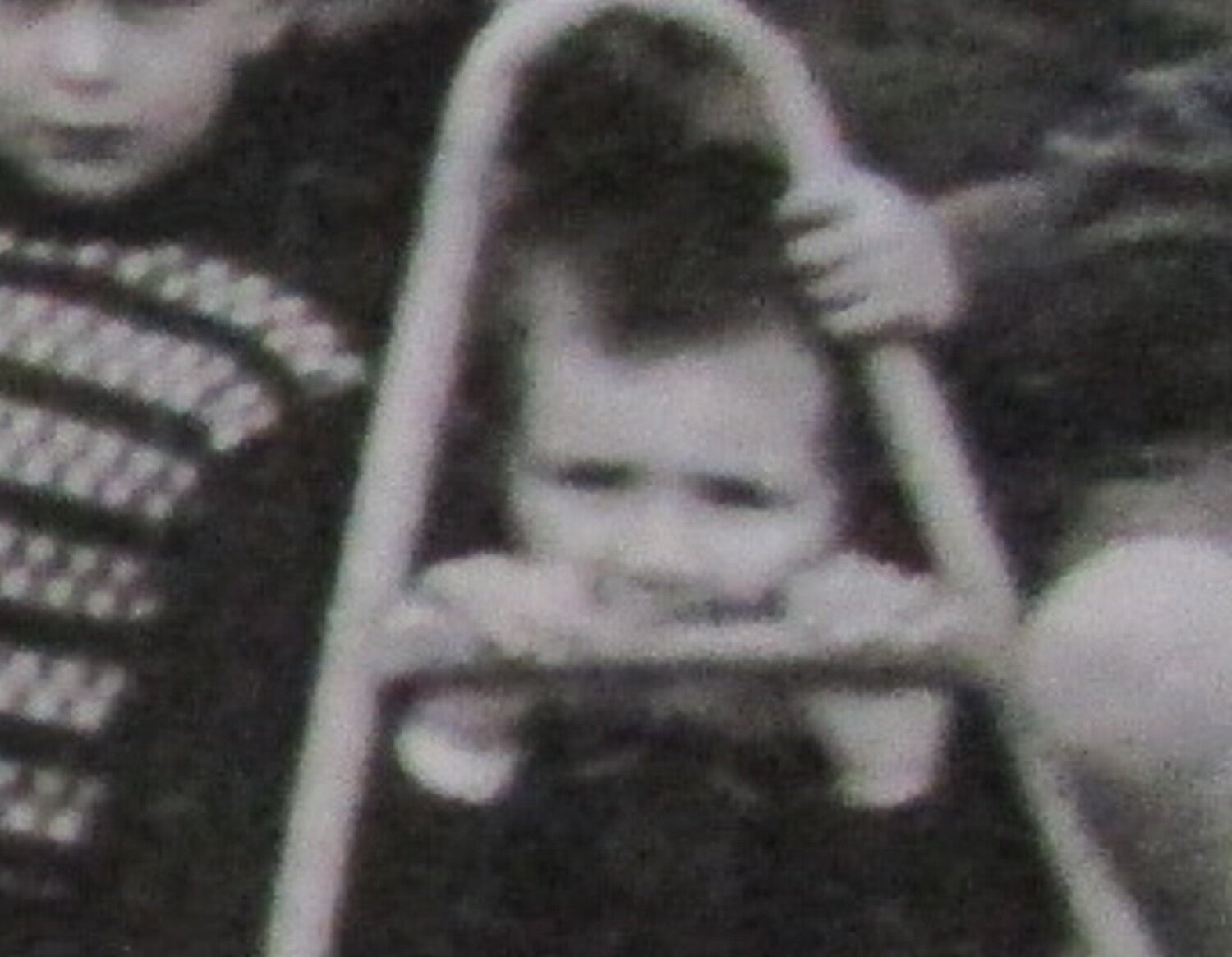
At kindergarten
Original photography 1967
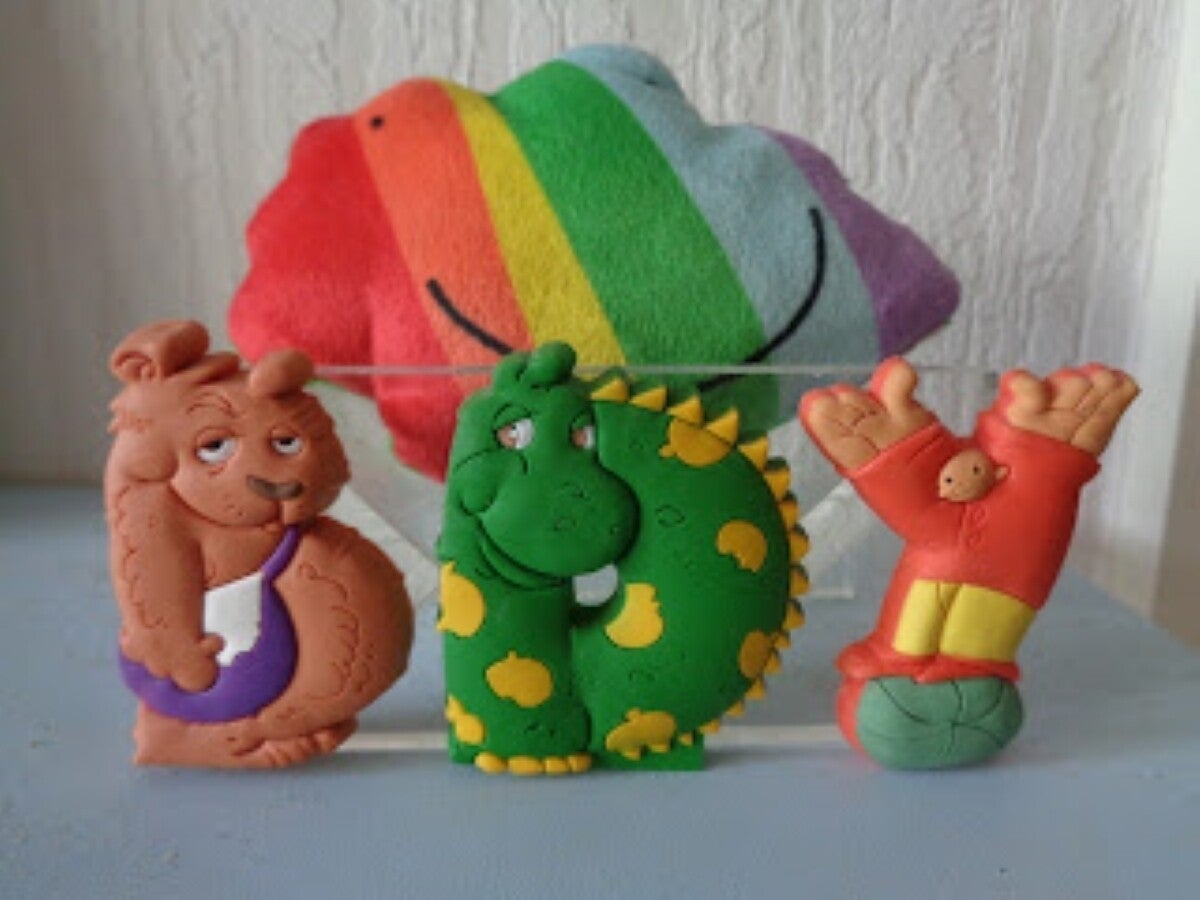
The opposite gender of man was never woman
Composed objects 2016
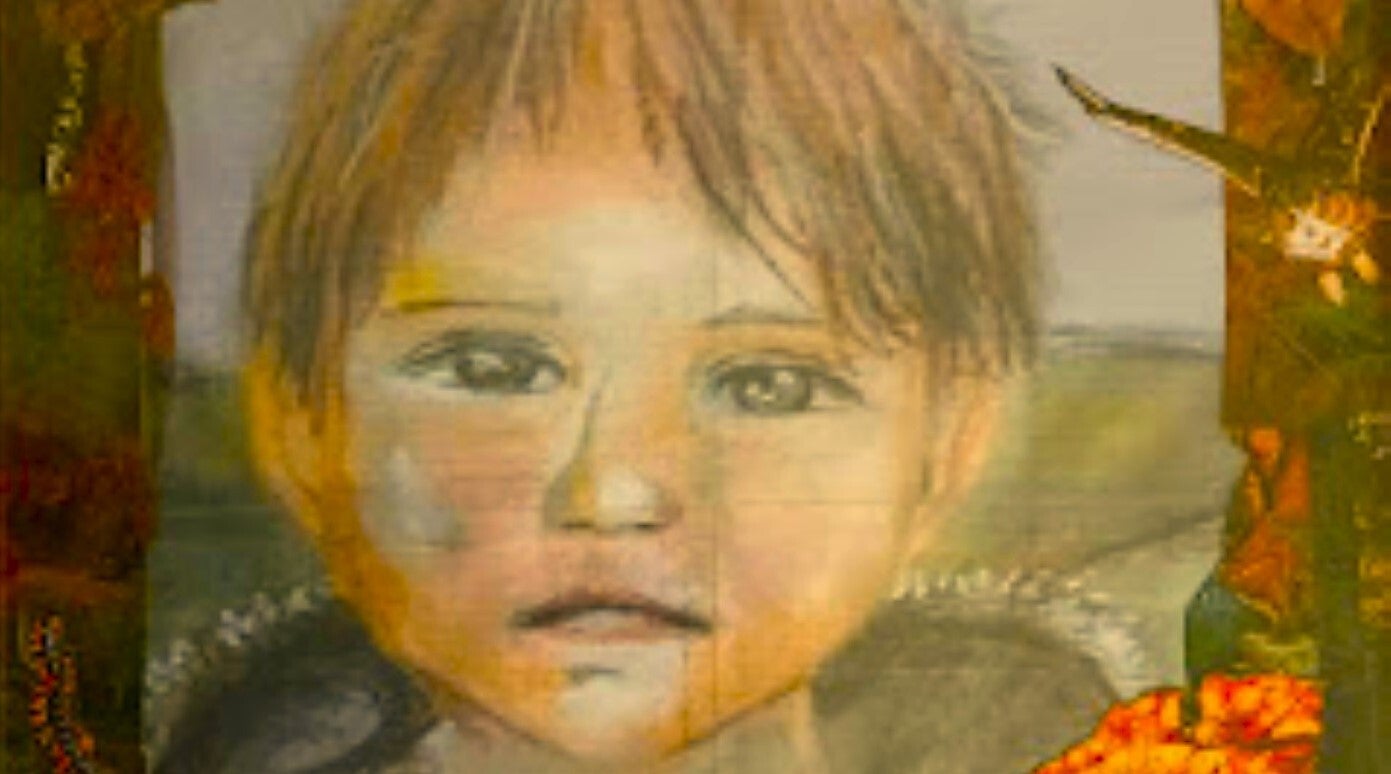
My name isn't Jimmy, I am Jimmy
Self -portrait
pastel and mixed media 2004
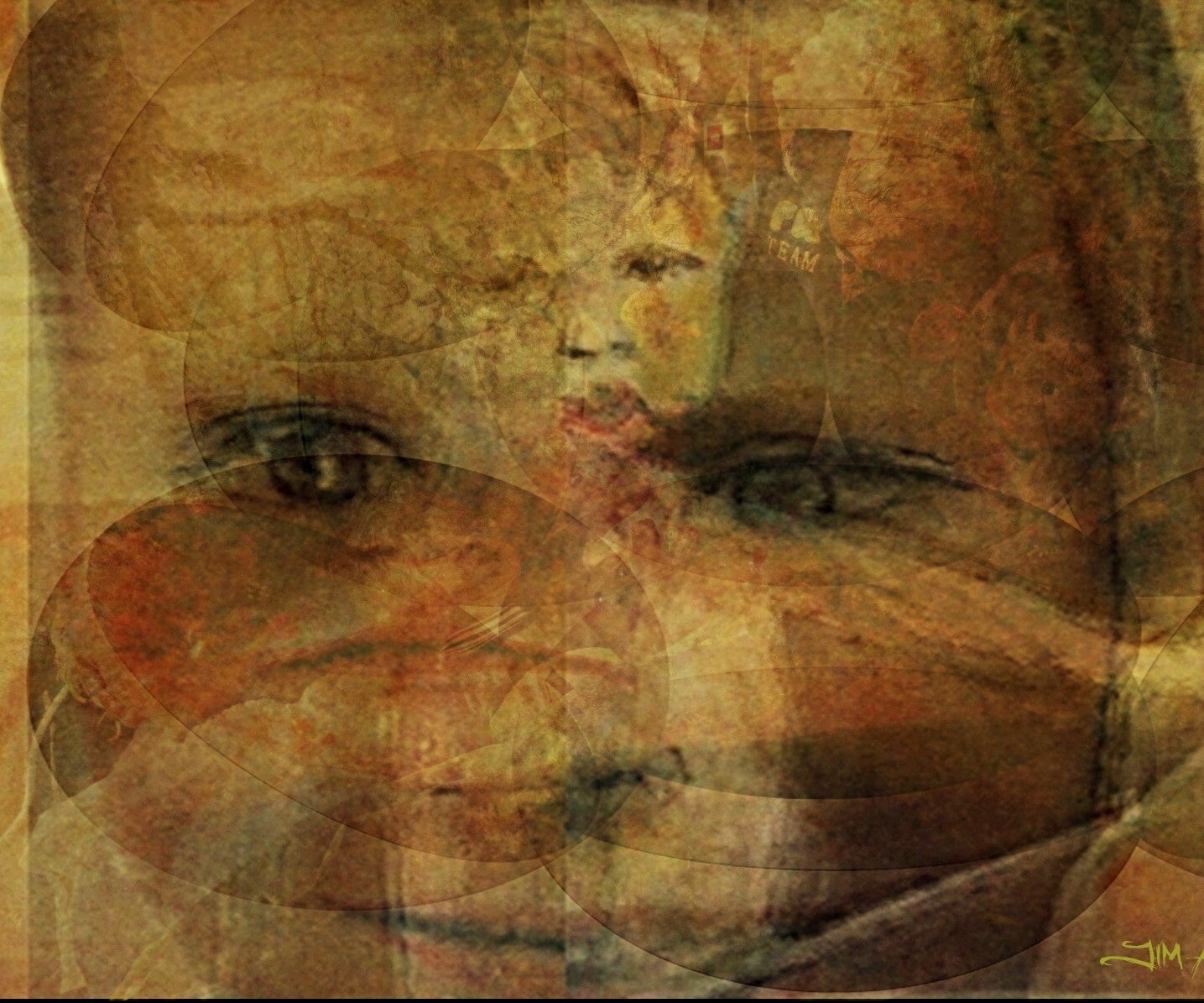
Trigger
mixed pastel images 1997 / 2022

Mama and papa
43 x 56 cm Pastel on paper 2023
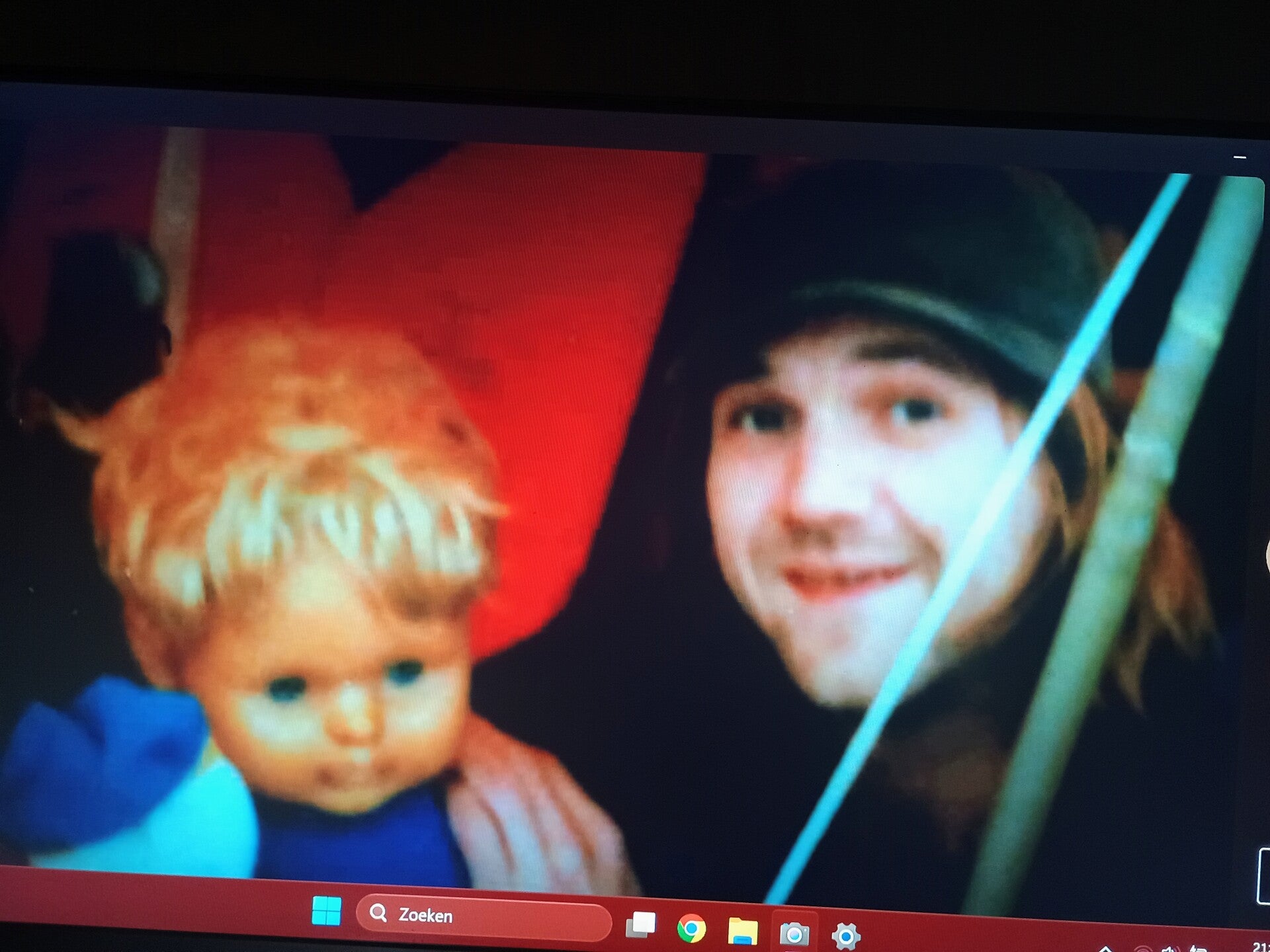
Jimmy and his mother
photography 1989
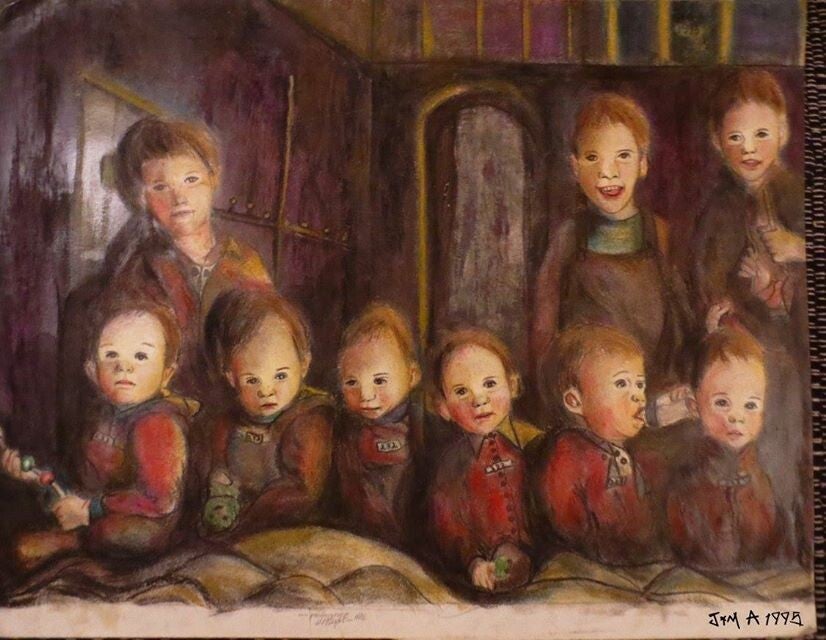
Helper Haven Groningen- Mother group 1965
pastel 1997
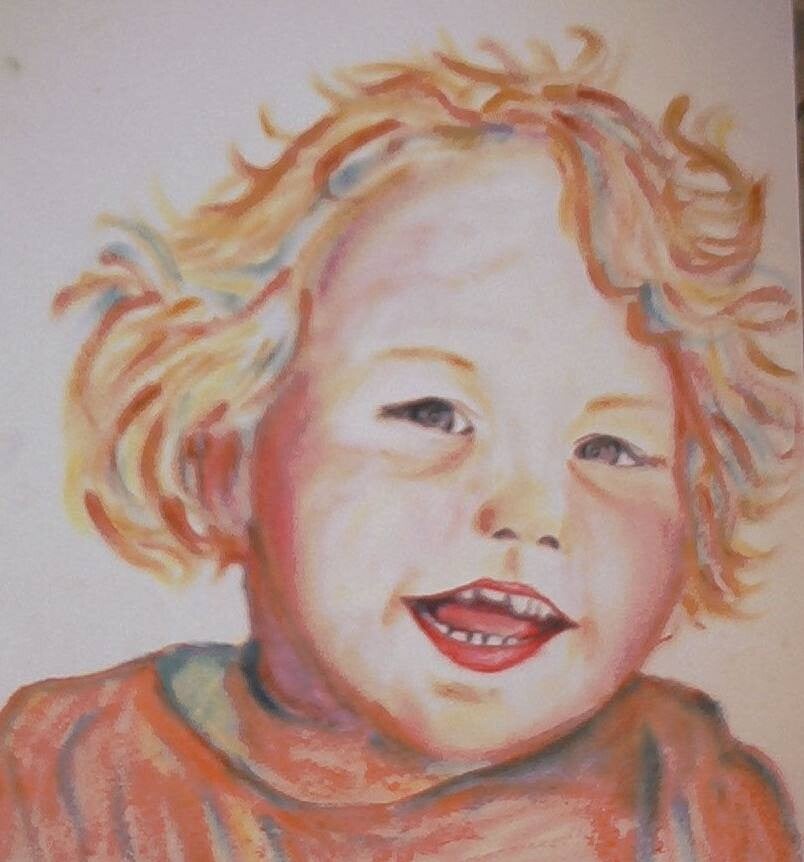
Most precious child
pastel 1996
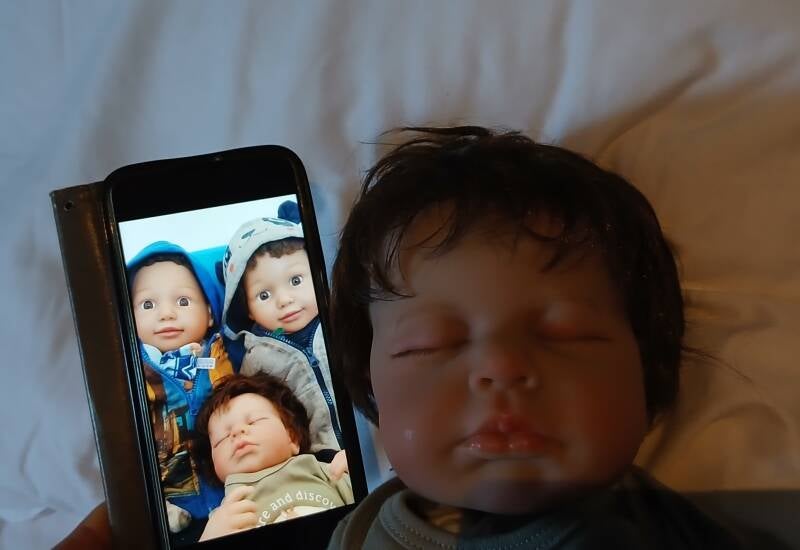
Tim and Alex with their baby
Photography 2025
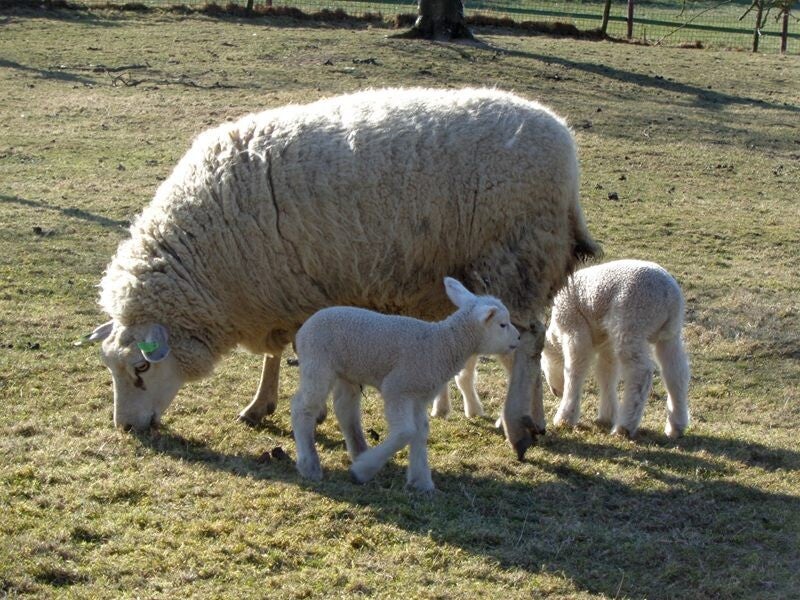
Humane life
Photography 2023
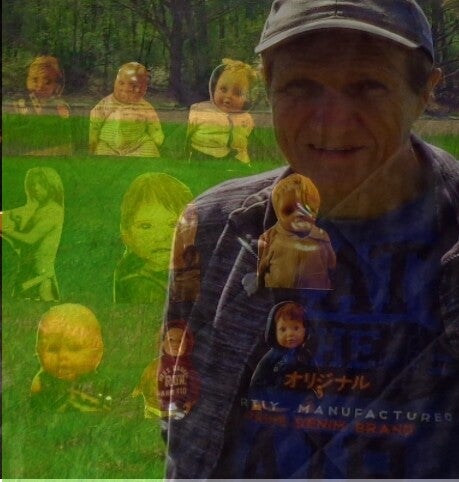
Actually , yes, a group of toddlers and one boy
mixed photography 2024
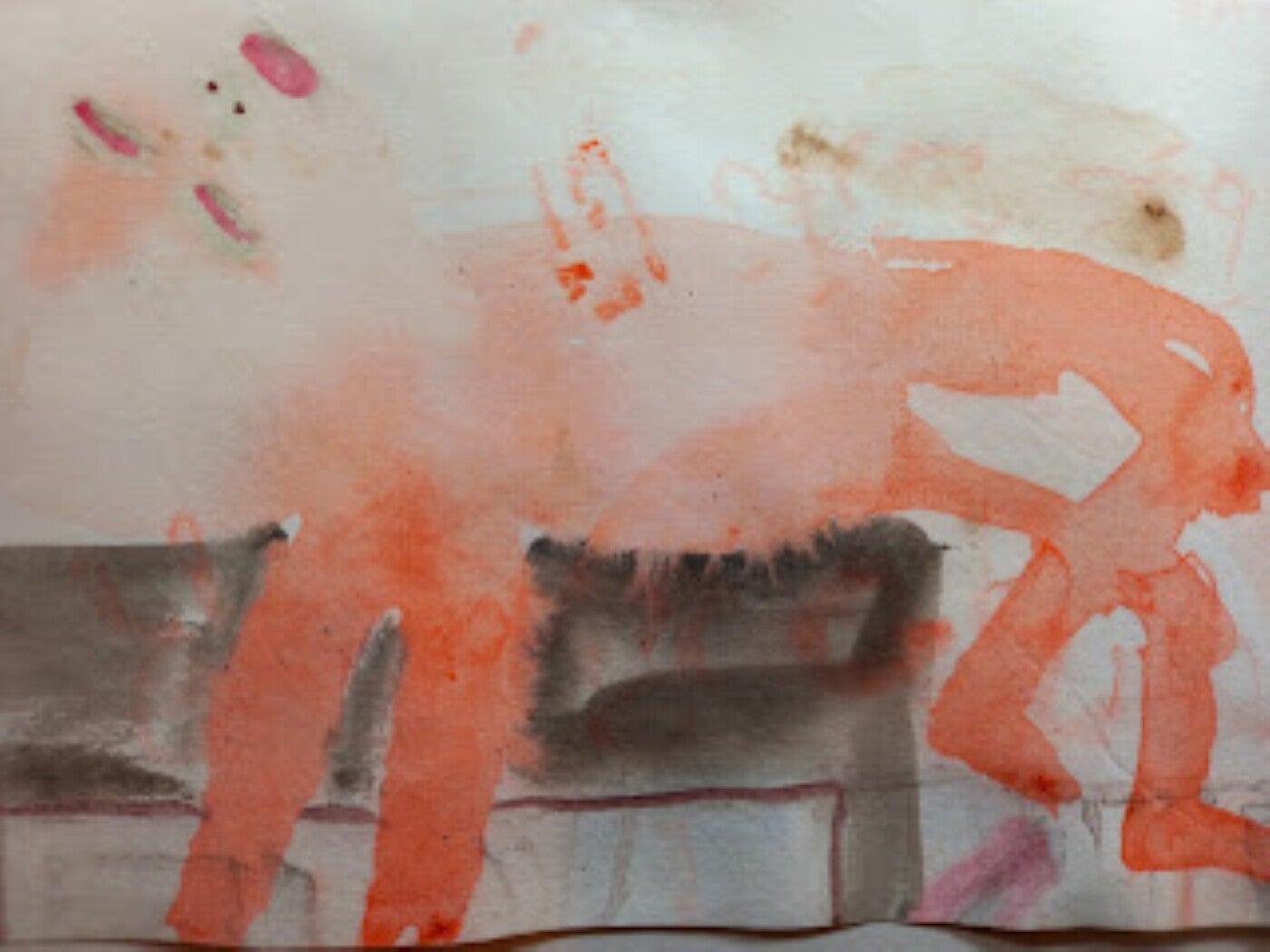
The beginning of tragic stories
Watercolor 2021
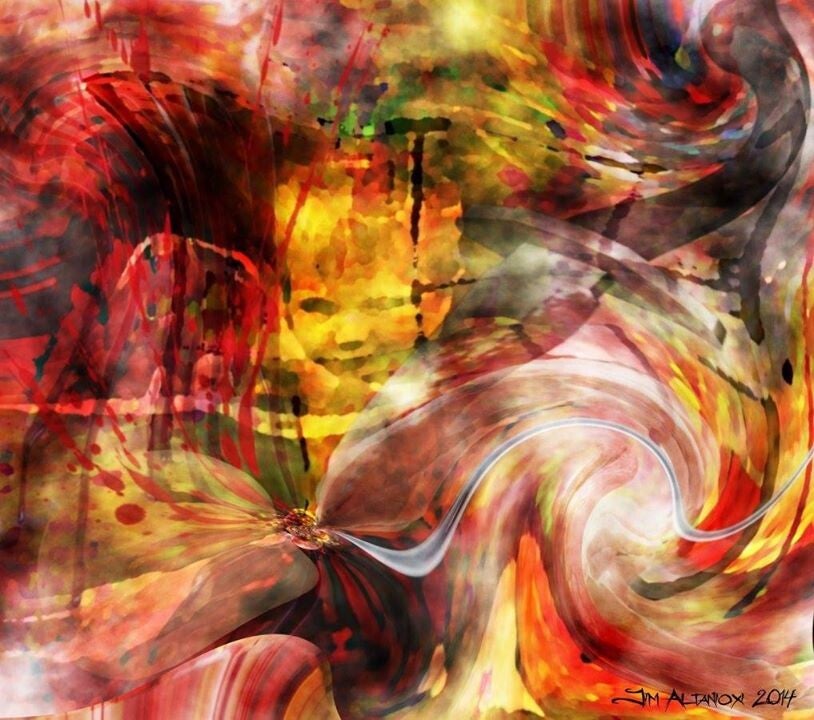
Identity Destruction
Mixed digital media with photography 1968, Jim Altanioxi 2014
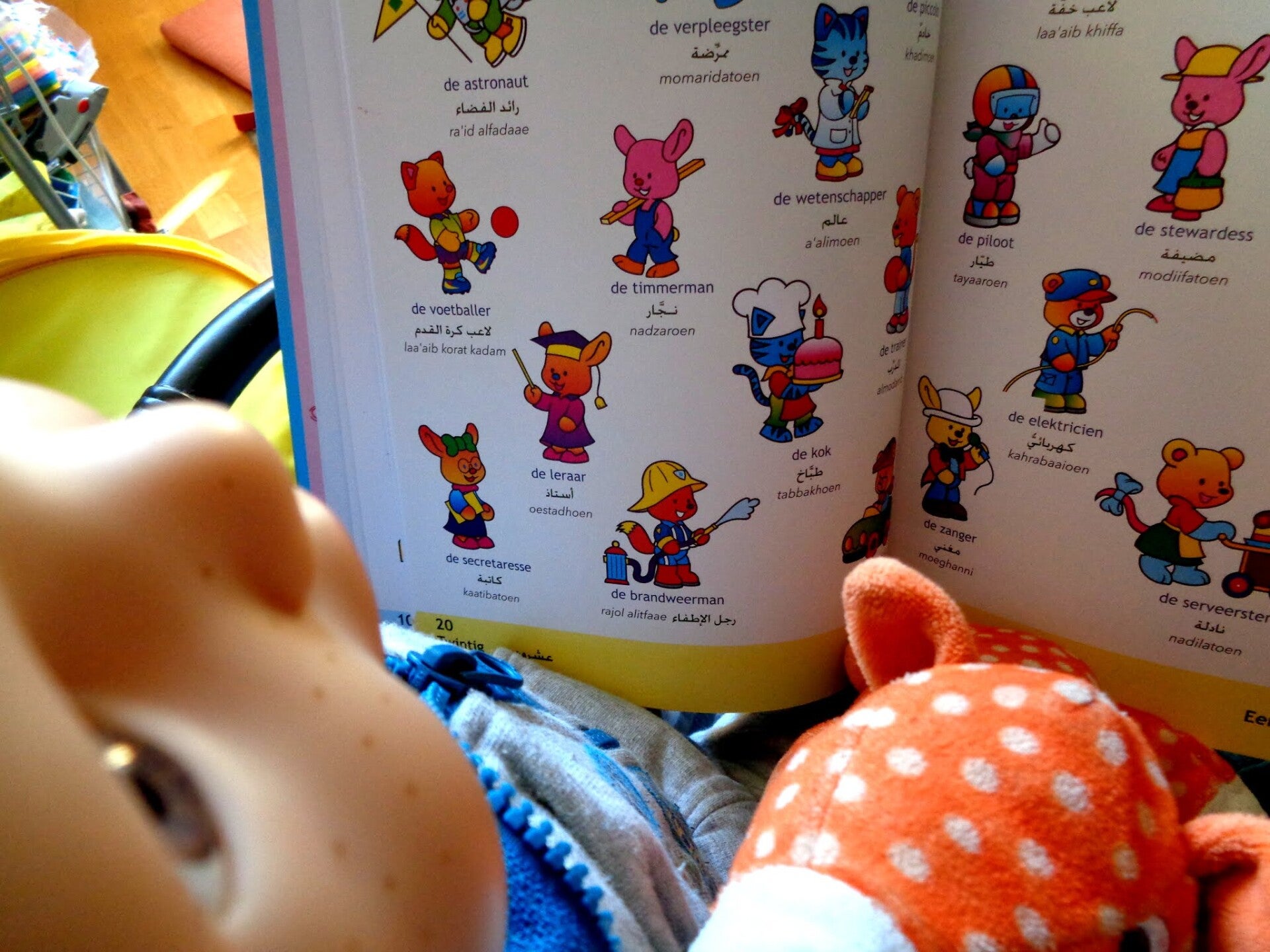
Tim, learning Arabic language
Photography 2022

Just press the button, it's only a li(f)e (1988)
pastel 2020
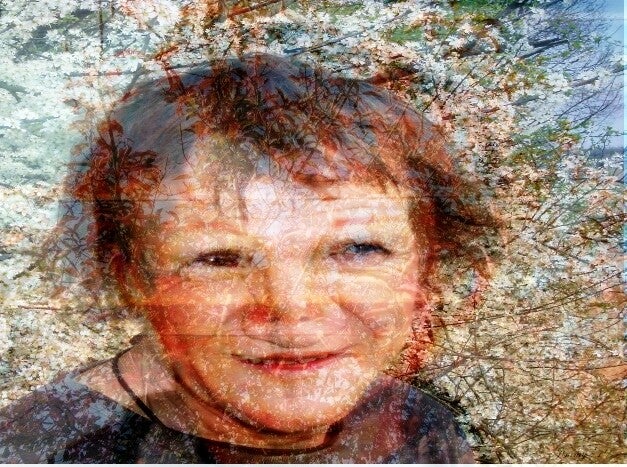
Boy-man
[age- dysphoria]
Identity mix of selfie (52 years old) and pastel drawing of a 10 year old boy 2022
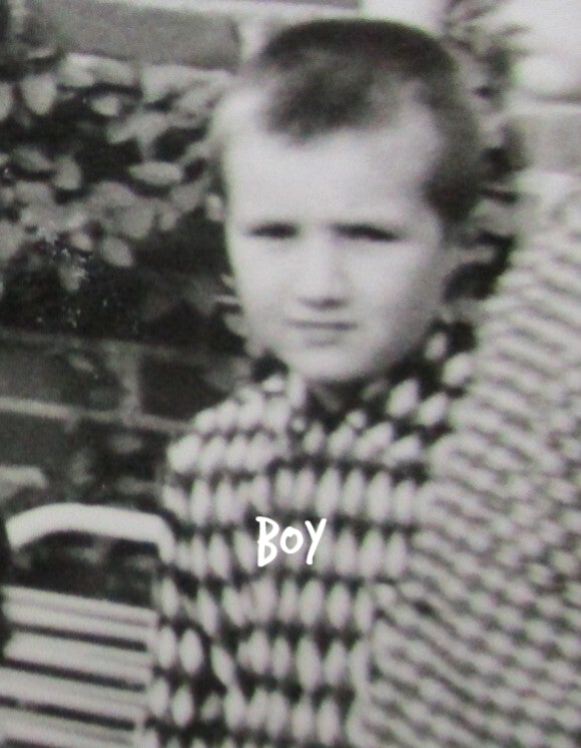
Suicidal boy (7)
Original photography 1969
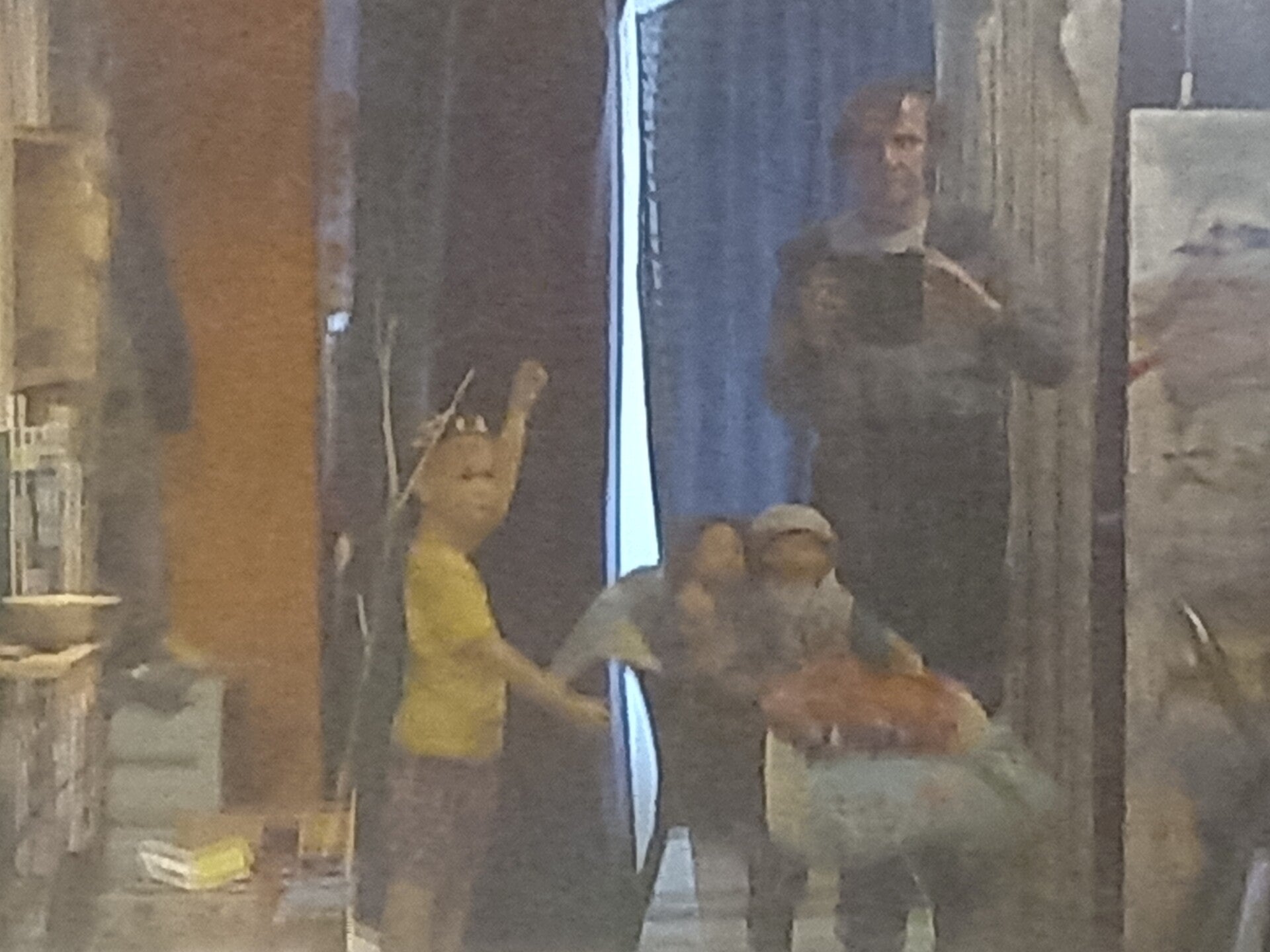
Never alone
Photography 2022
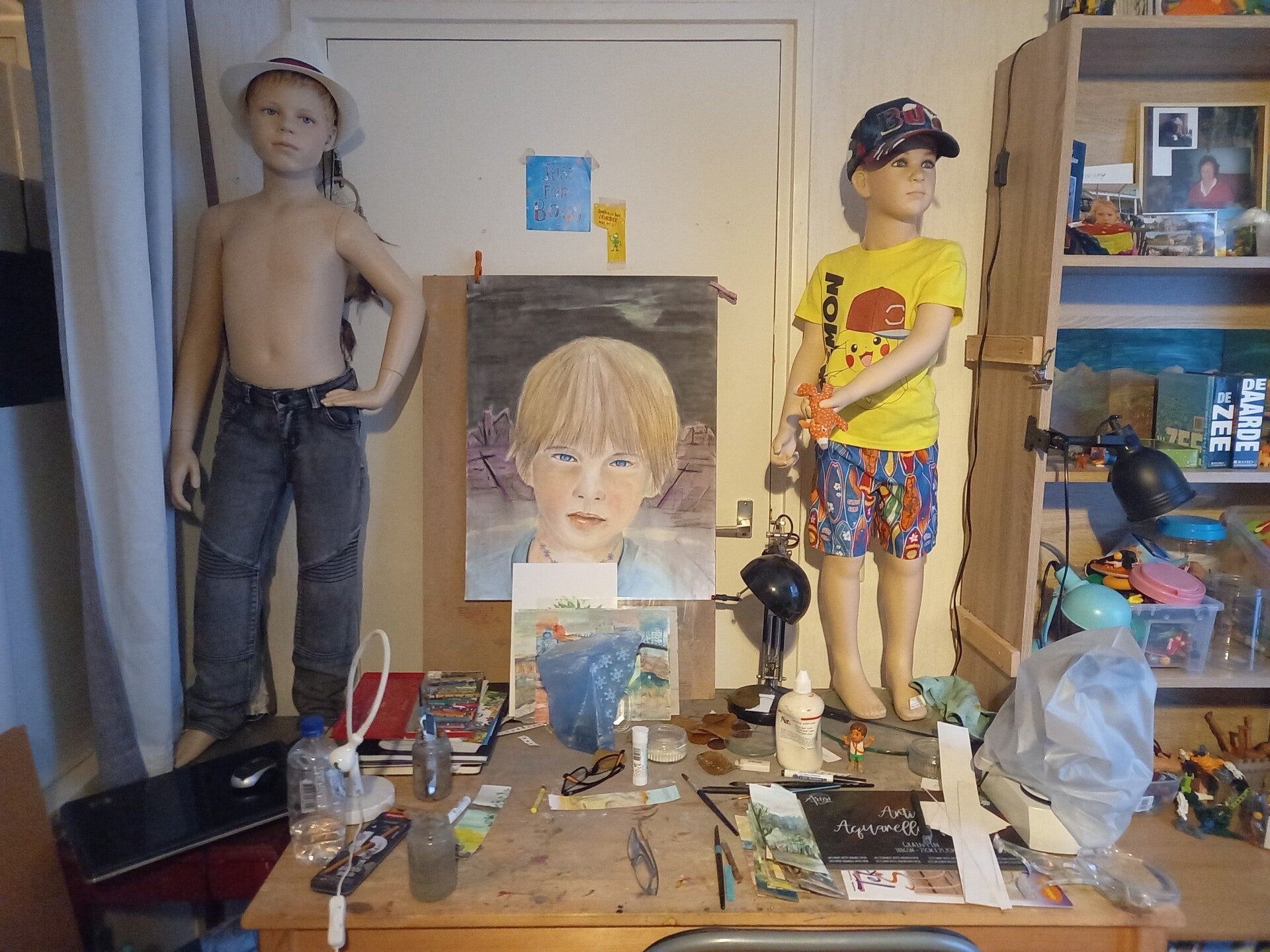
Identity restoration studio
2021-2023
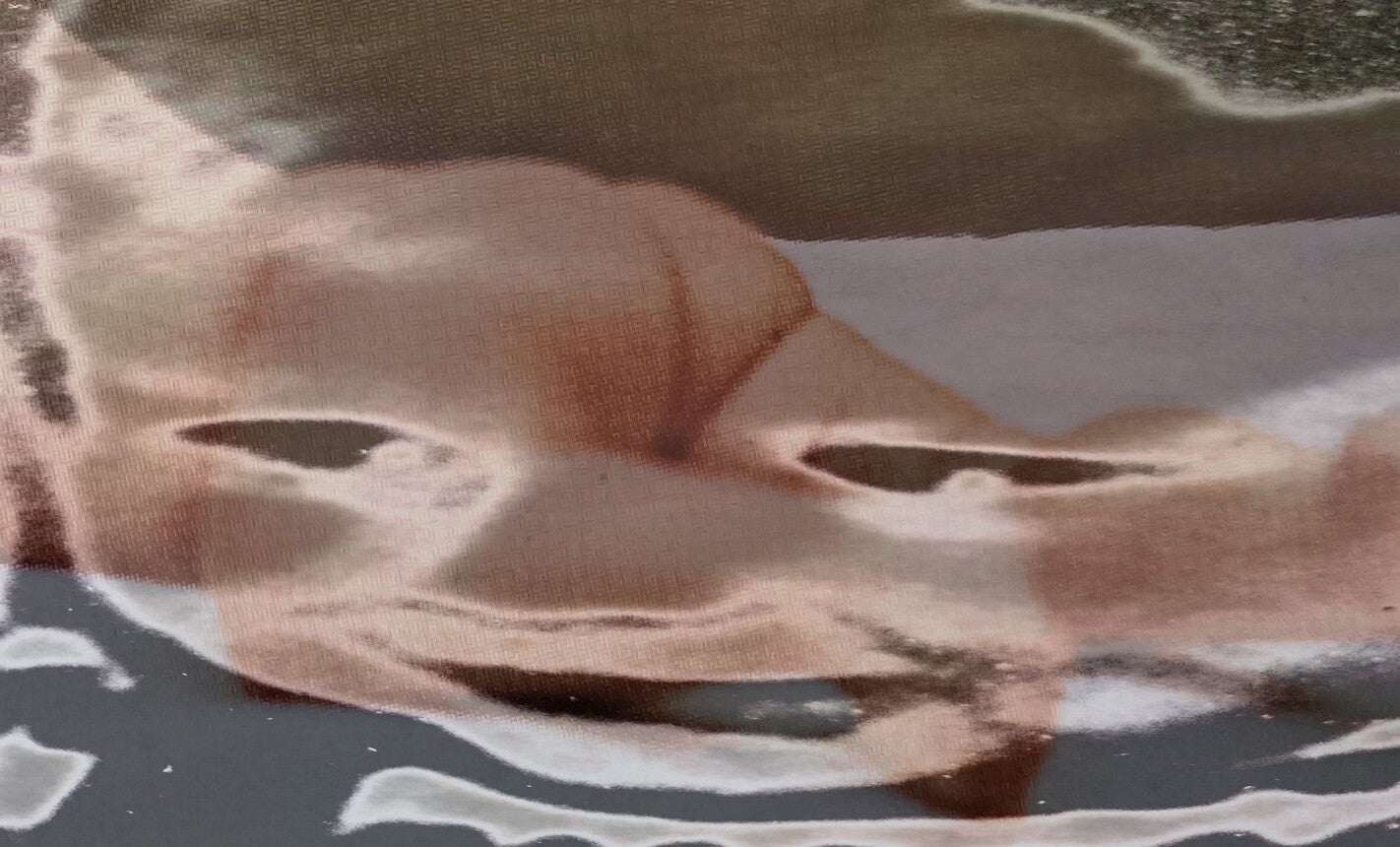
Institutional Blueprint (Helper Haven, Groningen 1965)
Mixed photography and pastel 1965/ 2024
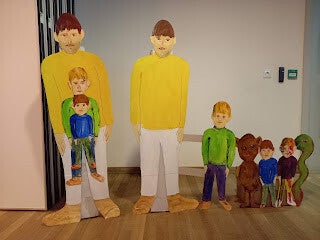
Plural identity, installation
BFF#13 Bonnefantenmuseum Maastricht 2022
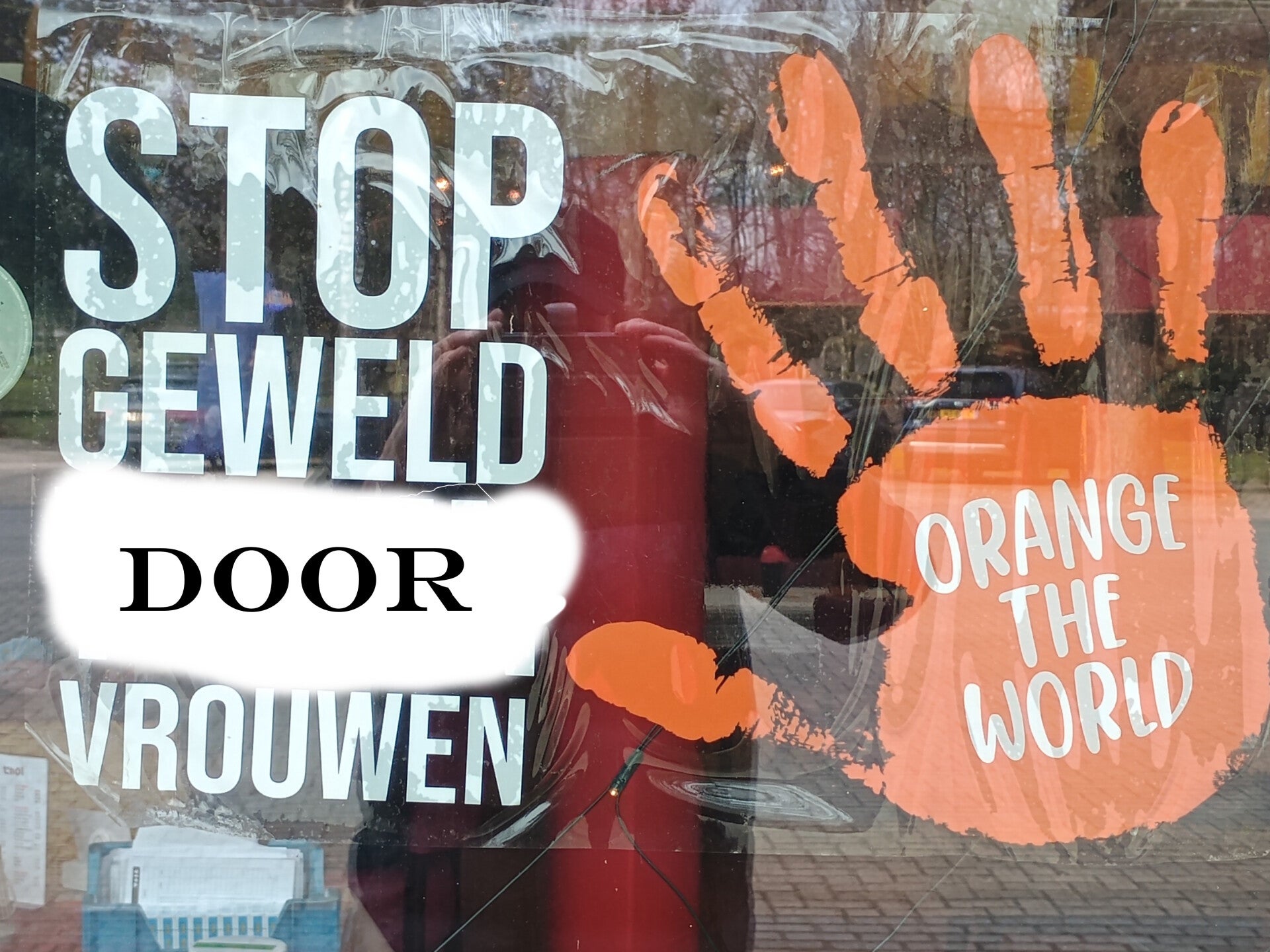
Stop 50 percent of all invisible violence
Adapted photography from poster UN, 2024
In 2024 it appeared the foster mother, who severely abused three foster children, which was well-known by the youth care organizations, was honored i 1995 with the State Golden Medal in the Order of Orange- Nassau.
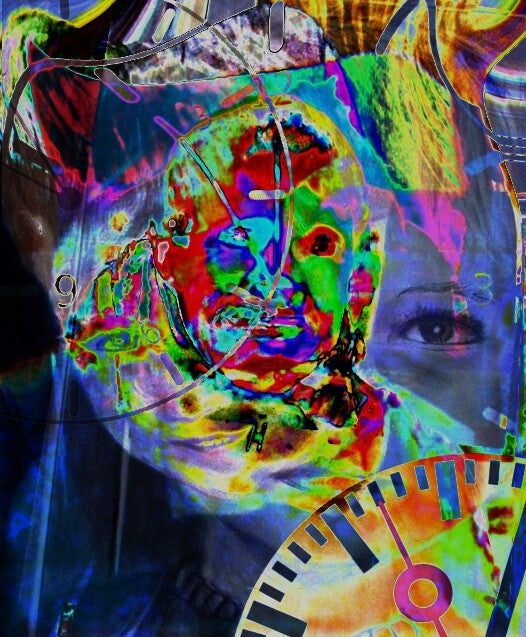
Frozen time
Mixed media photography (composition with oil painting/pencil drawing) 2016

Happy later life
Photography 2023

Complicated structures study
Model on paper Photography 2015
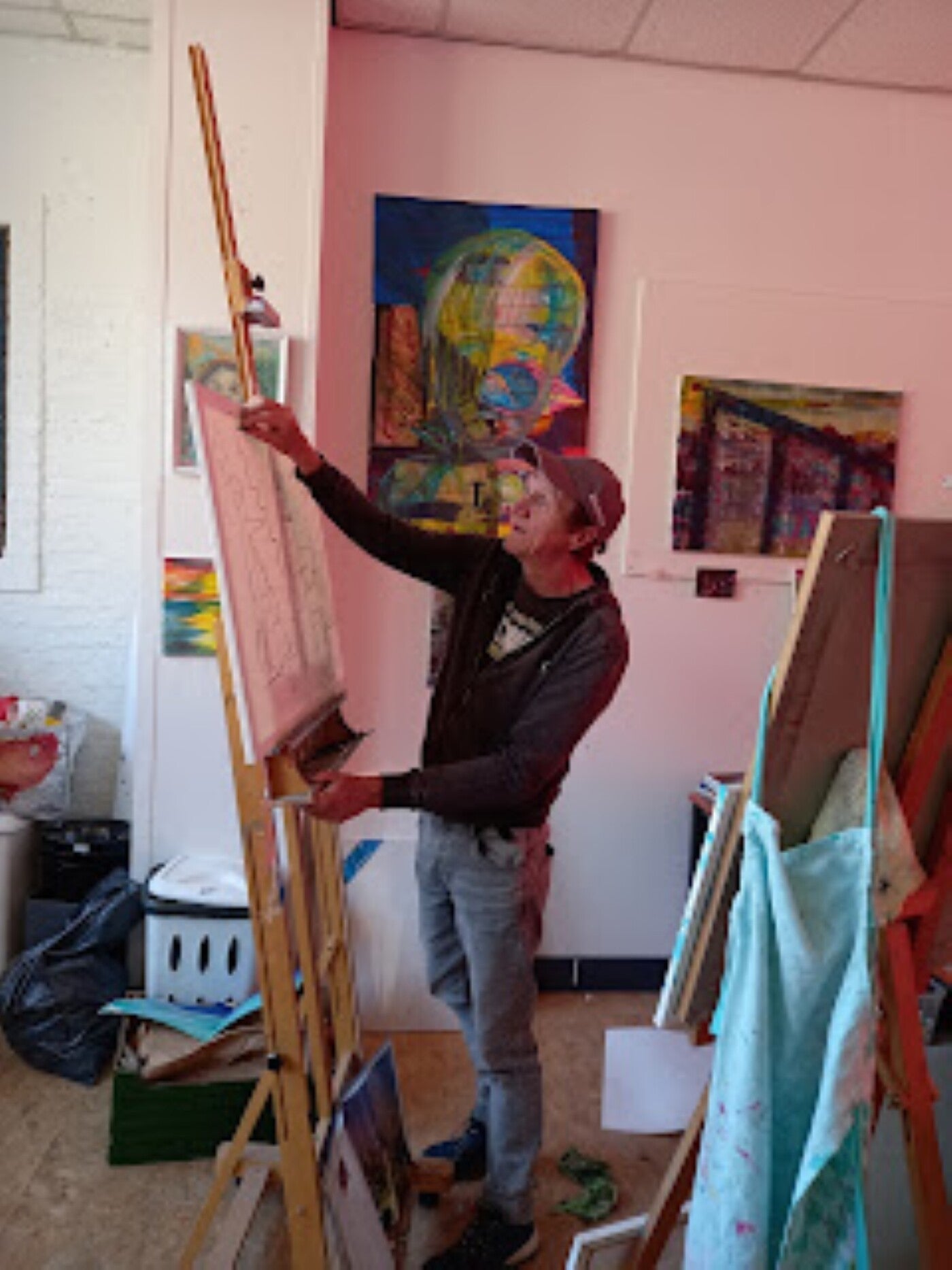
In the Fantastike studio Maastricht
2022
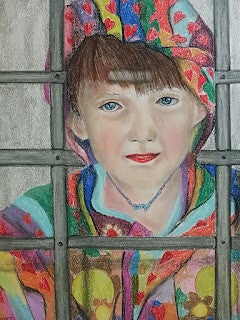
Prisoner of the Past
Pastel 2022
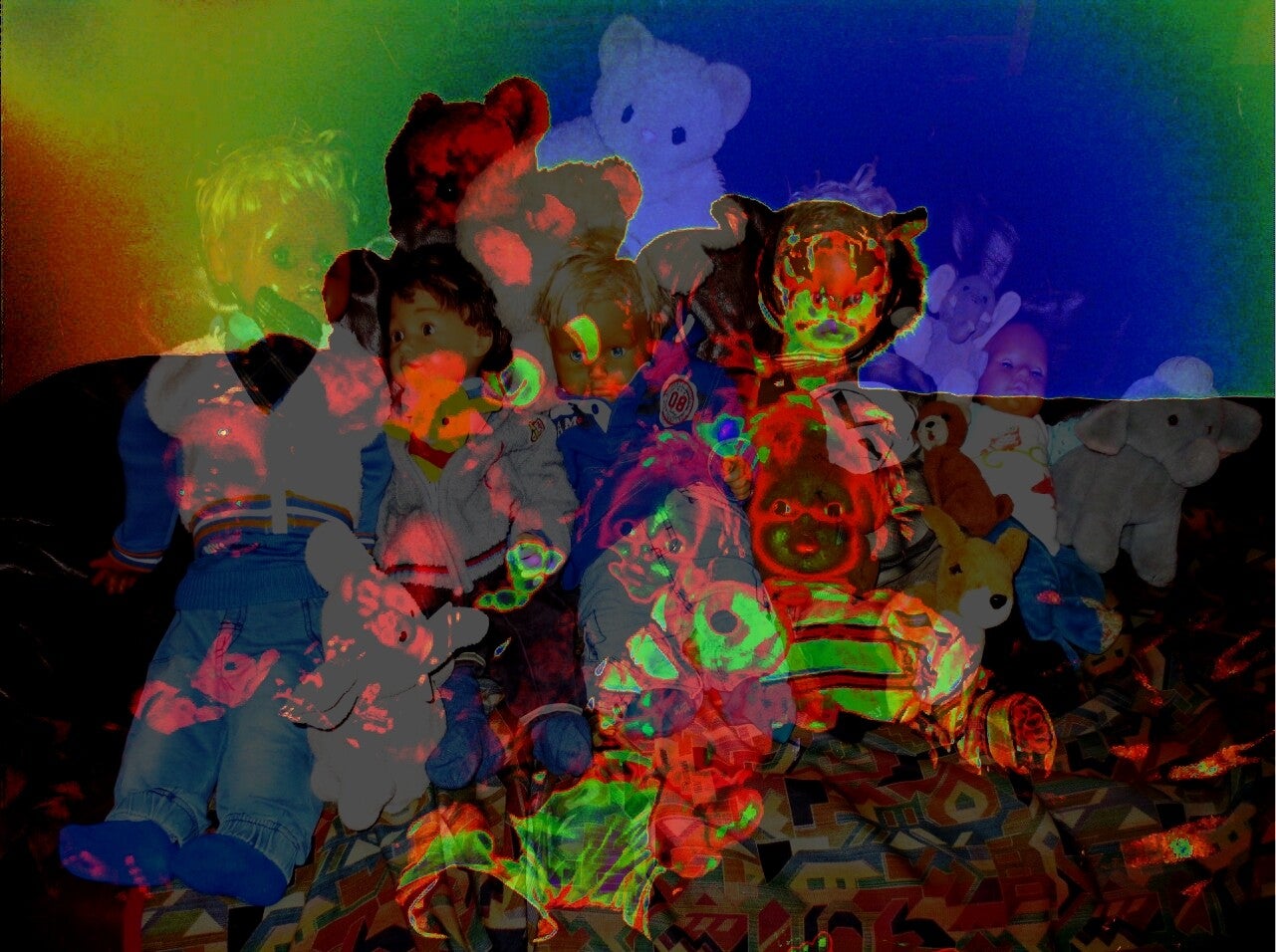
Hidden selves
Processed photography 2022
One week before they kept me as their 'animal'
Photography 1979

Equal identities: Tim, Jimmy and Alex
Photography 2025

Gender instruction (for the boygender)
photography 2025

State -Imposed -Caterpillar -Sexuality
Collage 2023
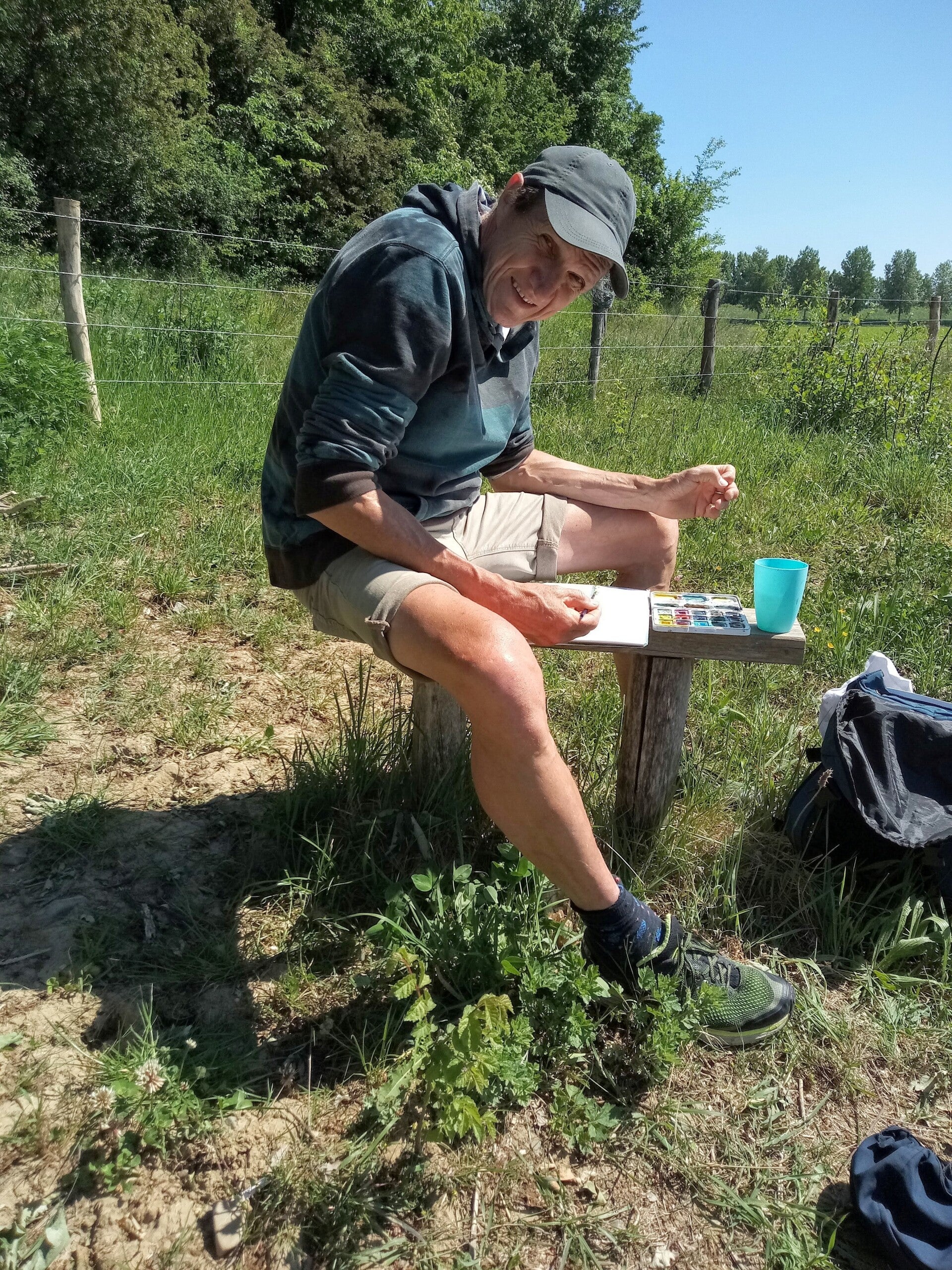
Drawing in nature (water coloring at the Meuse river)
Photography 2024
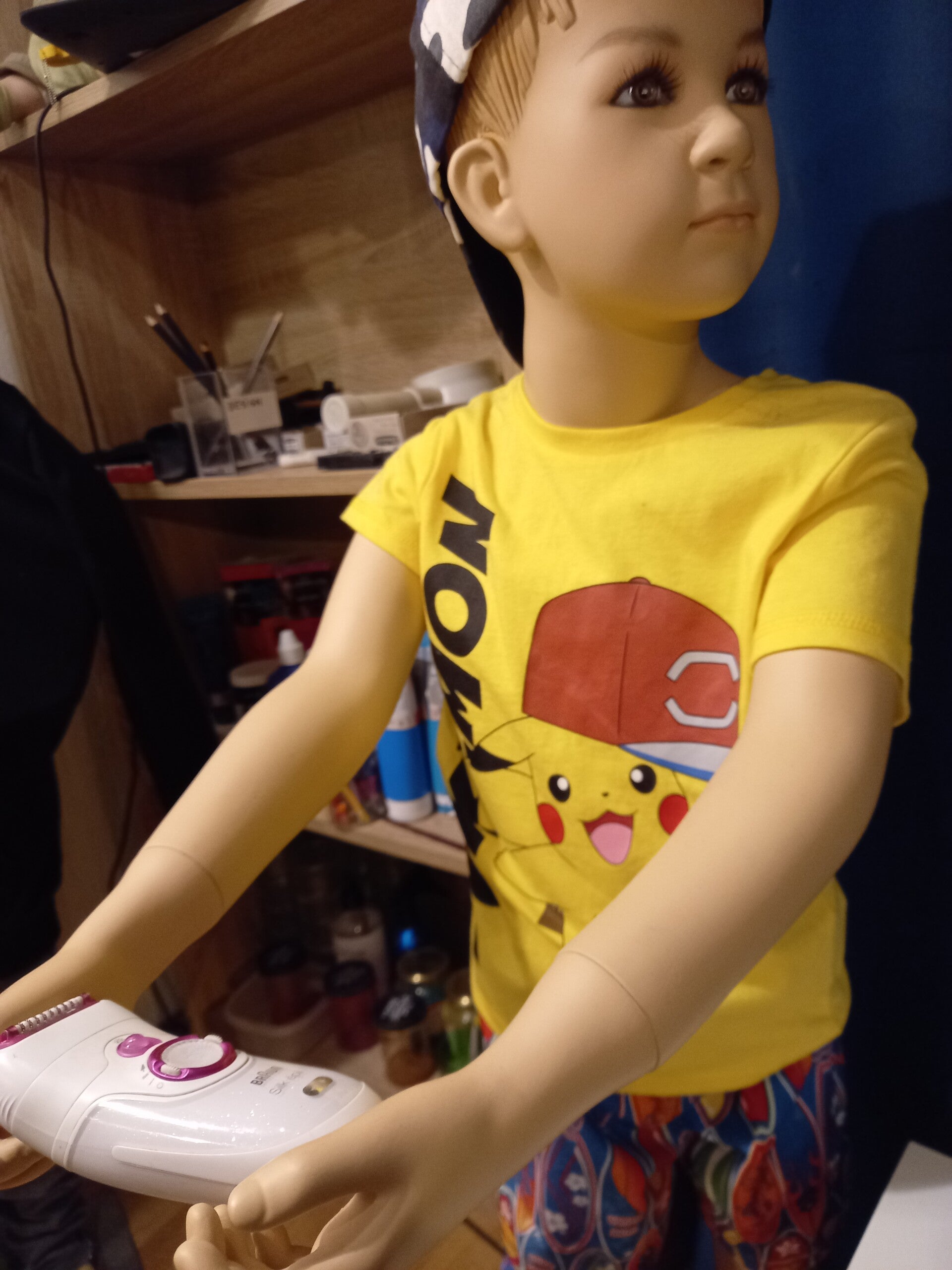
Brian brings the epilator
Photography 2023
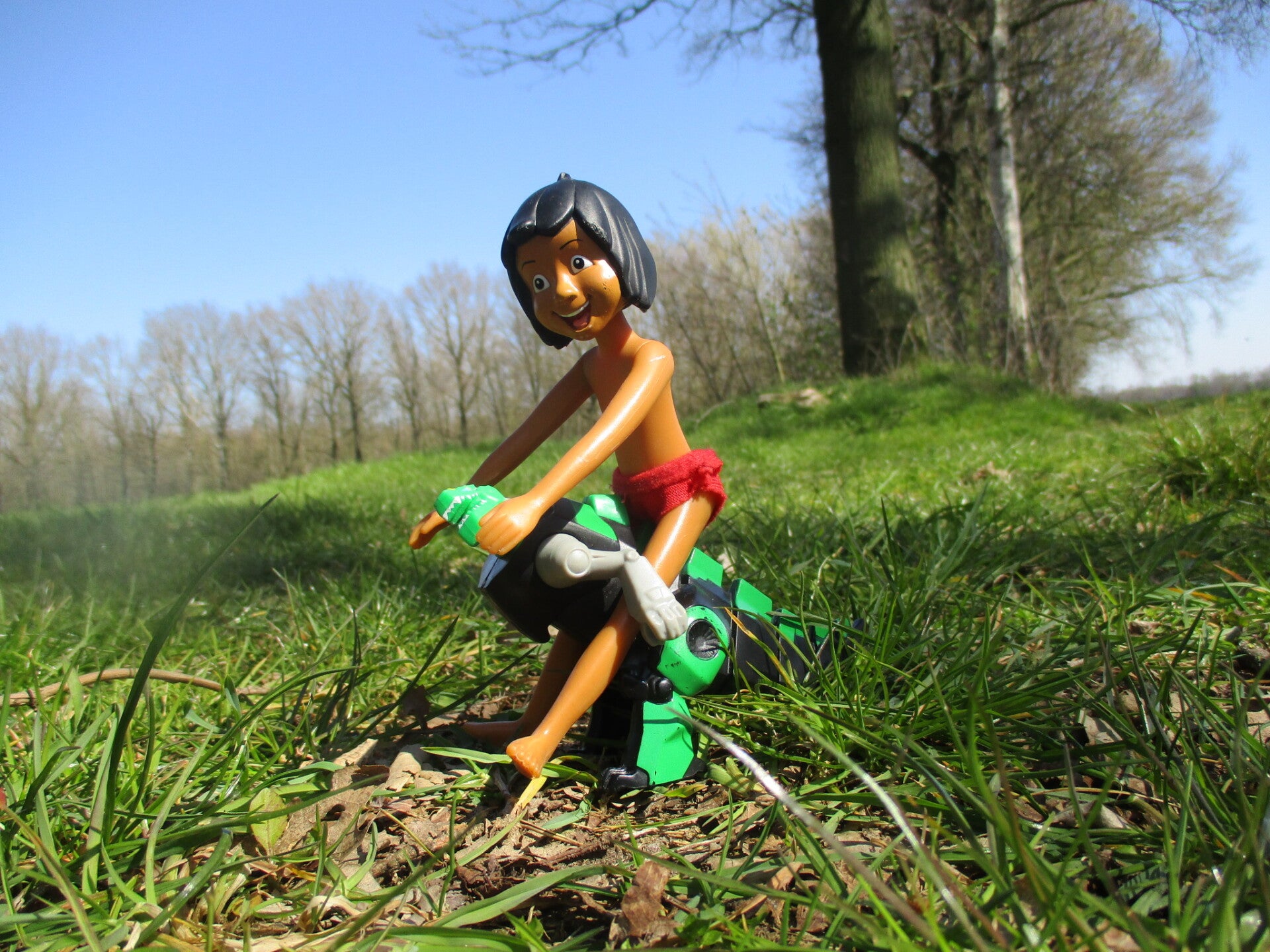
Thank you for playing with me, Mowgli
Photography 2023
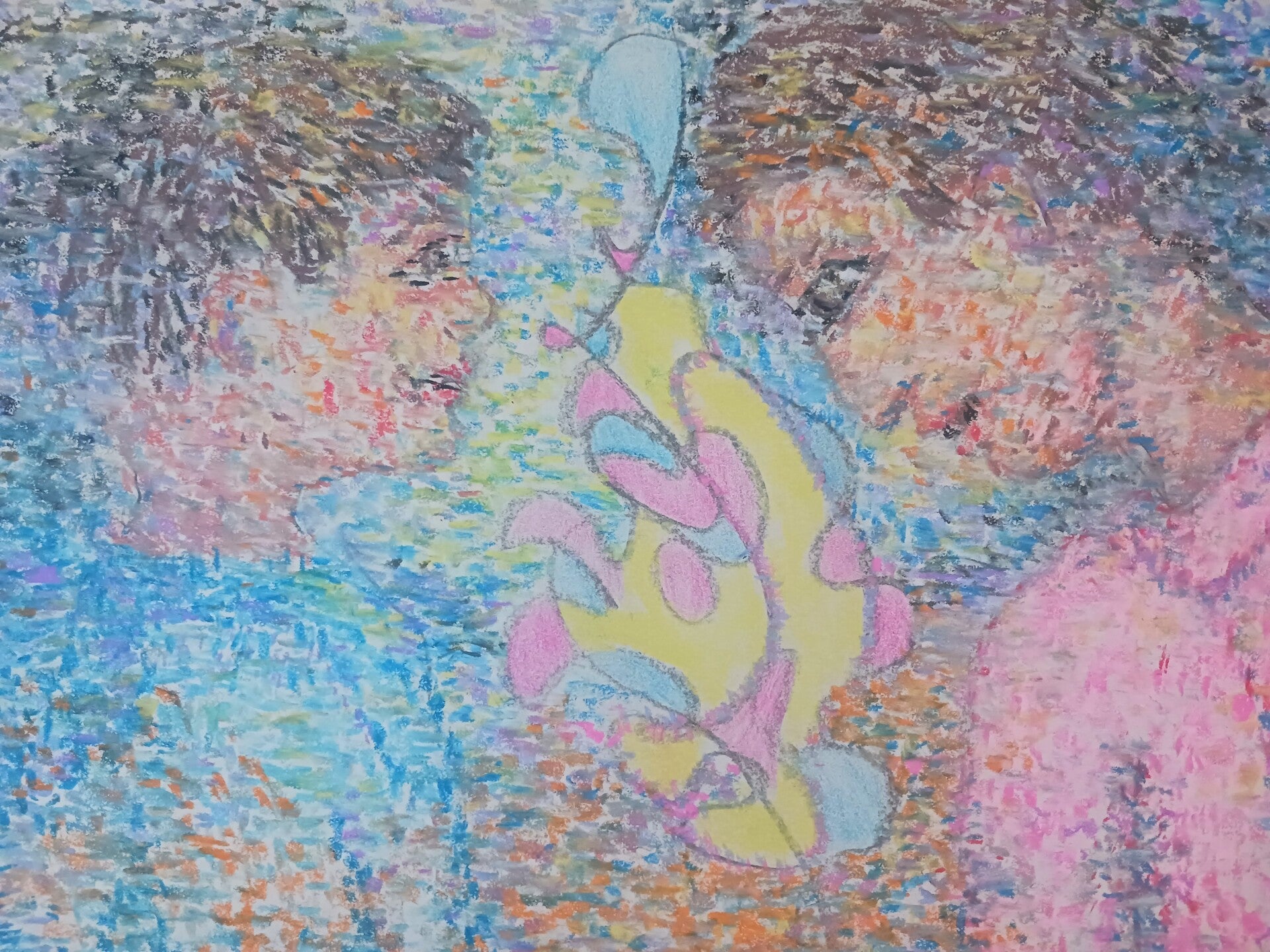
Gender dysphoria XL: female for the boy- child
pastel 2023
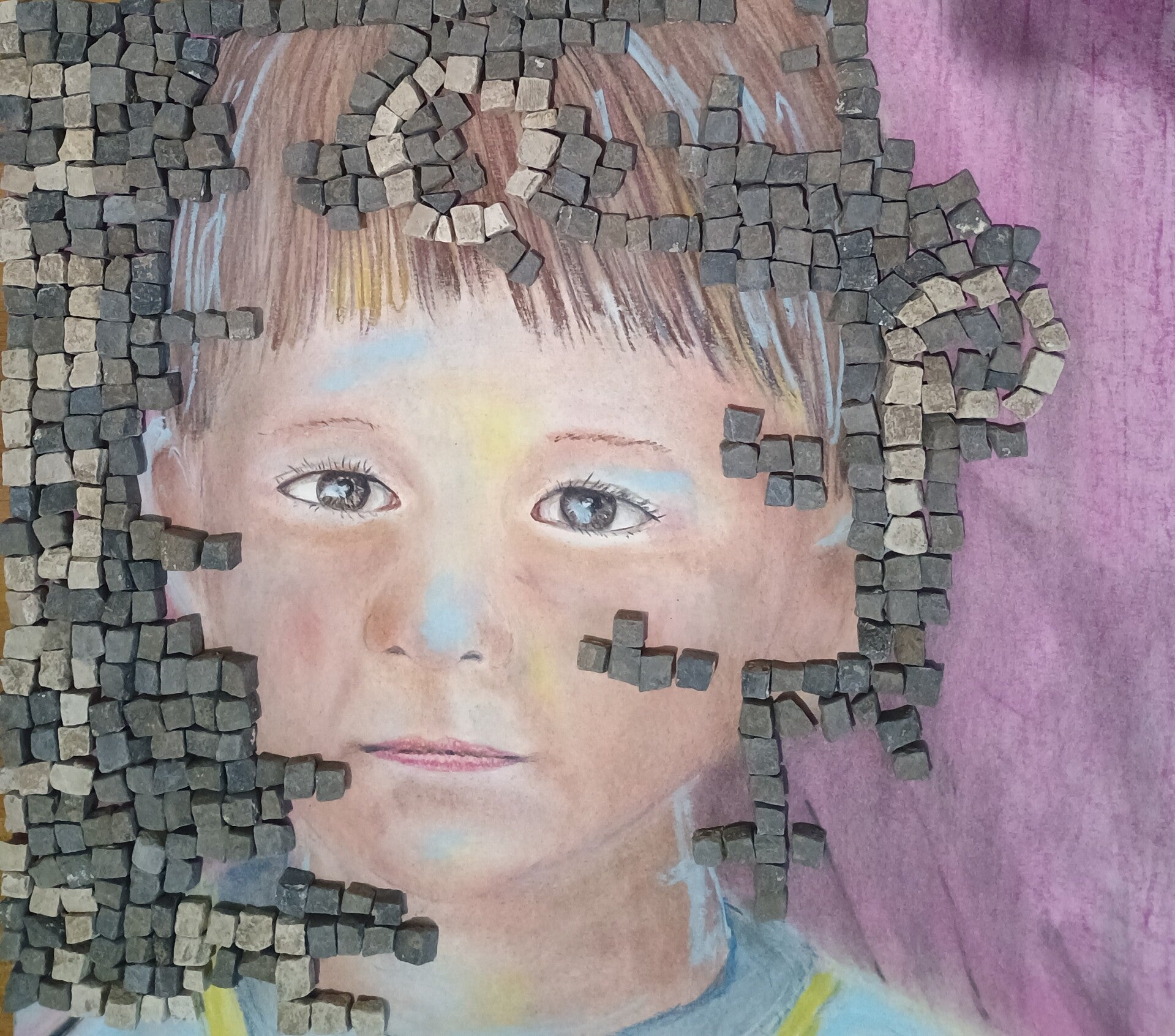
Hidden desire
pastel and original Roman mosaic (200AD) 2024
Art academy Tongeren

Dissociative Life Movie
Composed images 2020
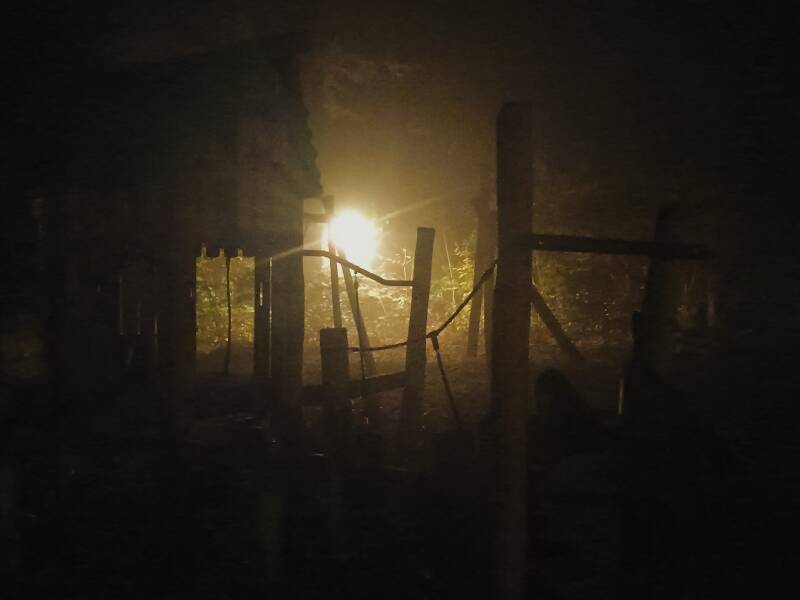
Acces interdit (sauf la nuit)
Photography 2025
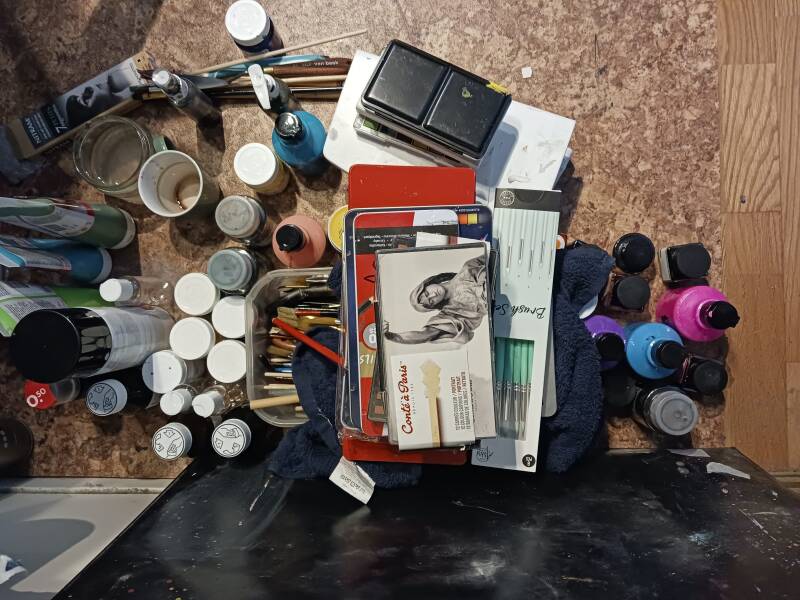
Creativity = therapy
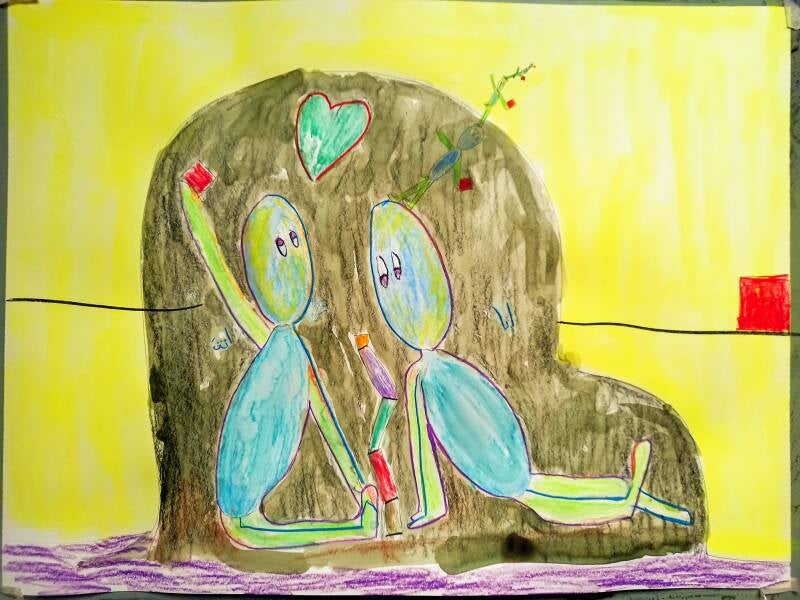
Equal love
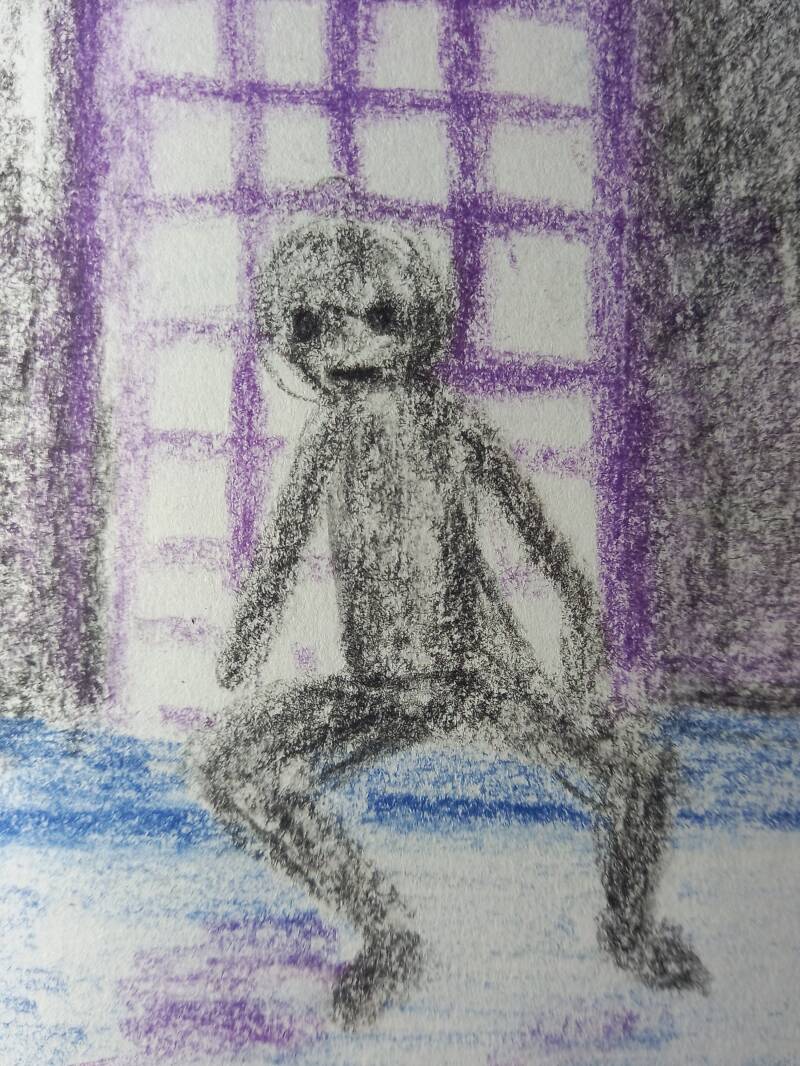
The destiny of a 'boy named Hue'
sketching 2021
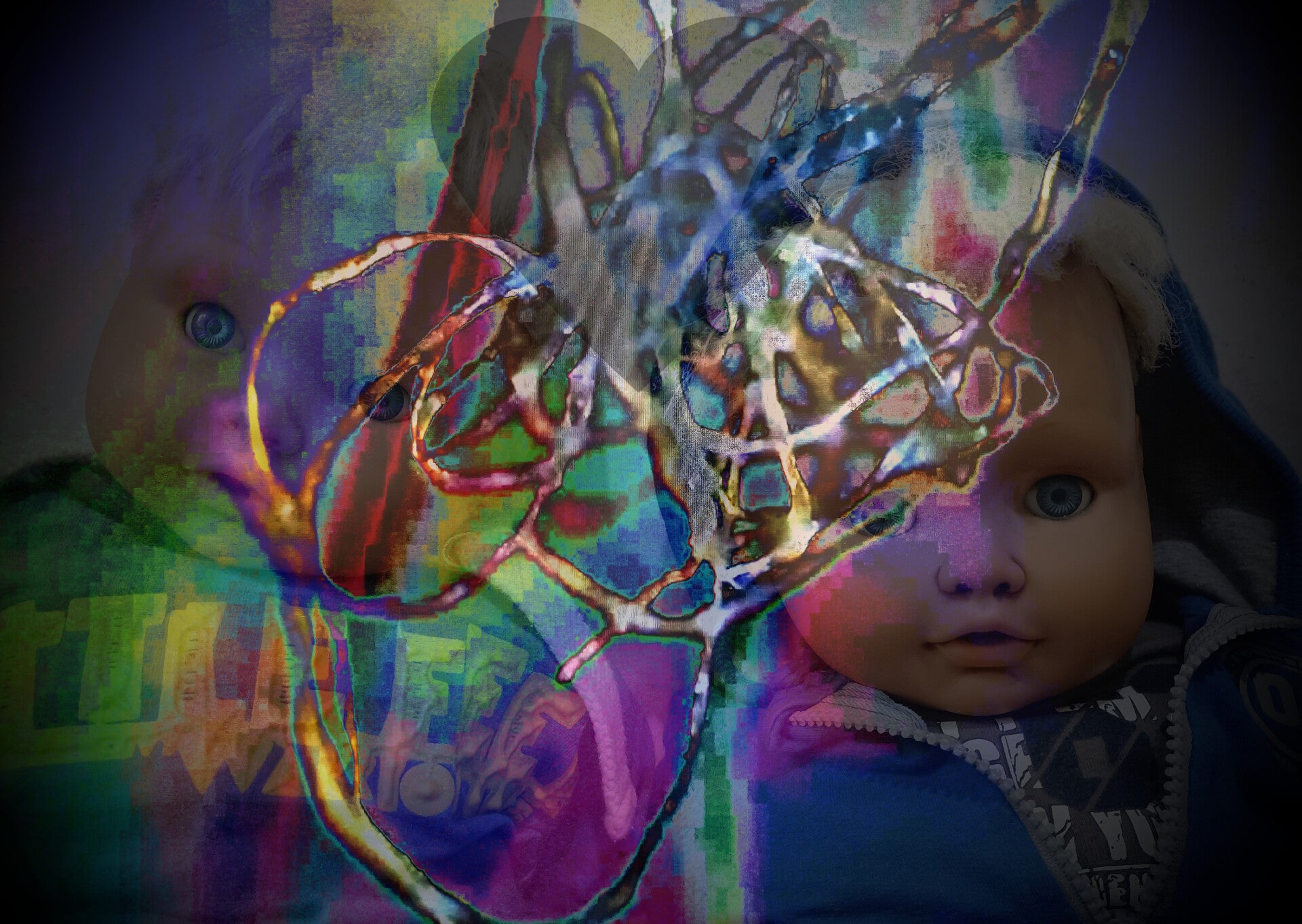
Thanks for all you did
The death and lost of Jimmy (l) and Sterry (r)
(twin co- identities 1994-2025)
processed photograph 2025
Victory...
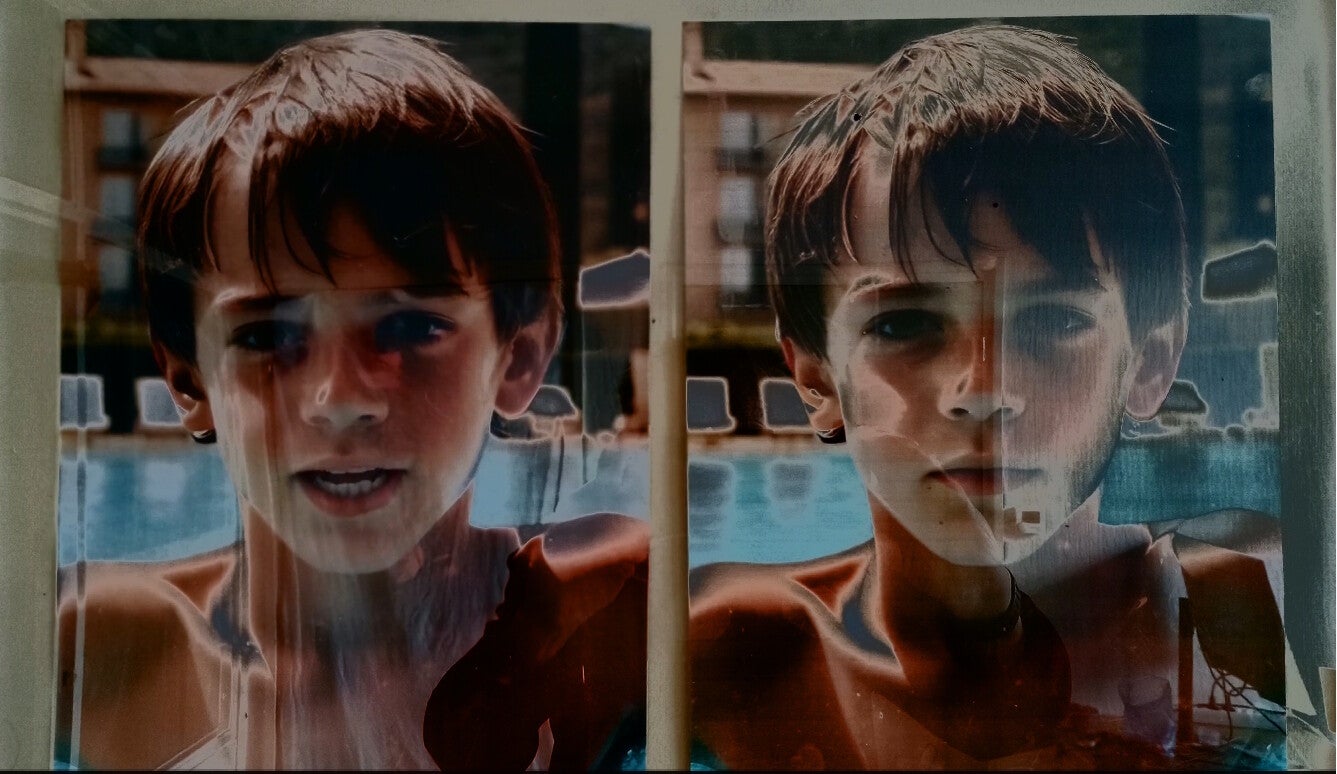
Finally, I am two boys
(but I never know which one is me)
Composed processed photography 2024
63 x 40 cm
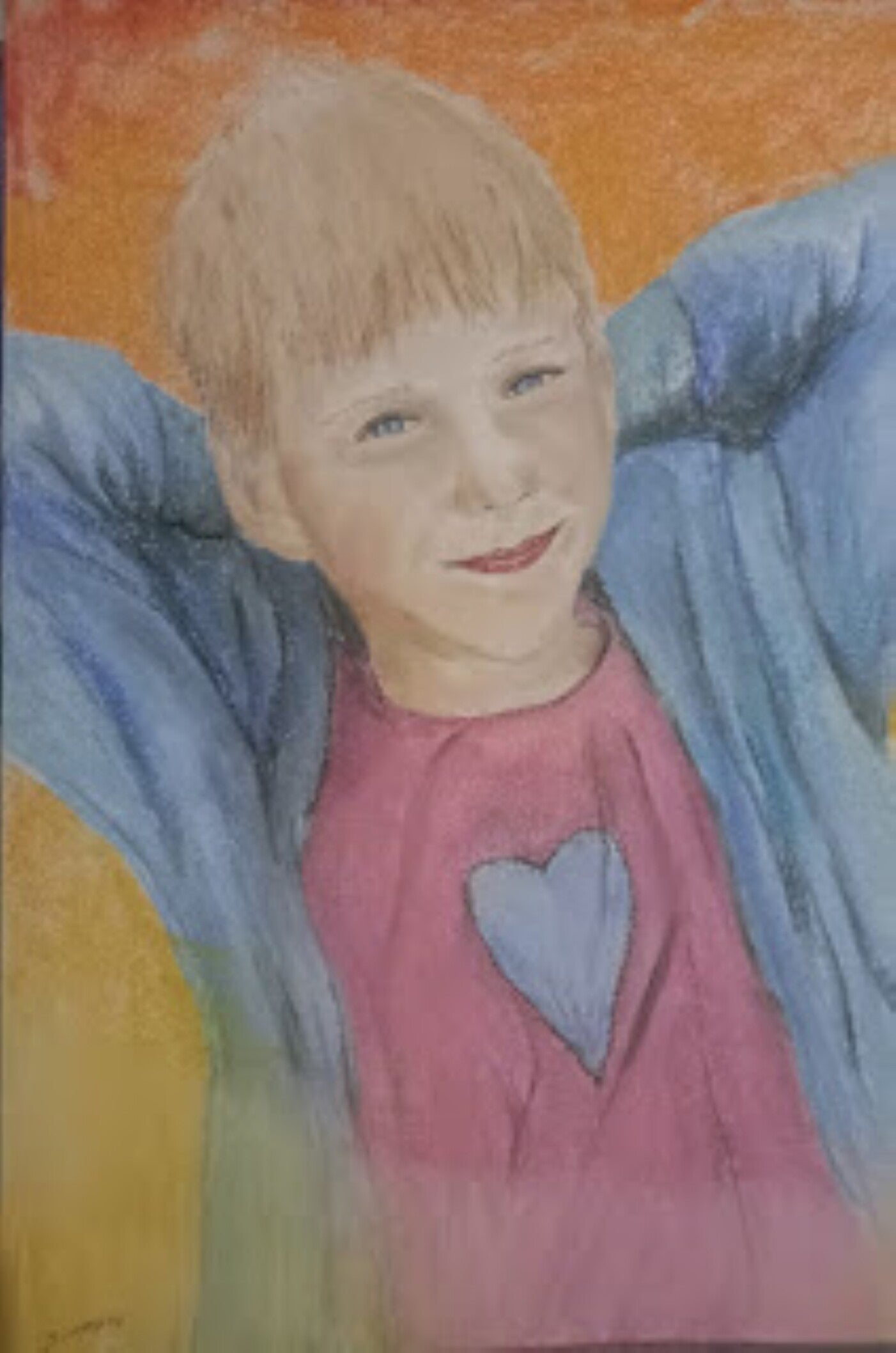
It's all about the heart
pastel 2024 50 x 65 cm
* DARVO: Deny, Attack, and Reverse Victim and Offender.
The system uses this DARVO technique to gaslight victims and avoid responsibility. The government denies, attacks the person on his/ her problems from youth care (like attachment problems) and turns the roles around: he/ she is "the problem". In this way, Dutch youth care does not have to adhere to Art. 3 ECHR: after crimes by the state, the victim is guilty because of the consequences of their acts.
**The government embraces one victim with support and empathy (i.e victims of sexual abuse) and destroys the other (like victims from their own state care) with hostility. This is one of the most horrible forms of injustice. In trauma psychology this phenomenon is called institutional betrayal.