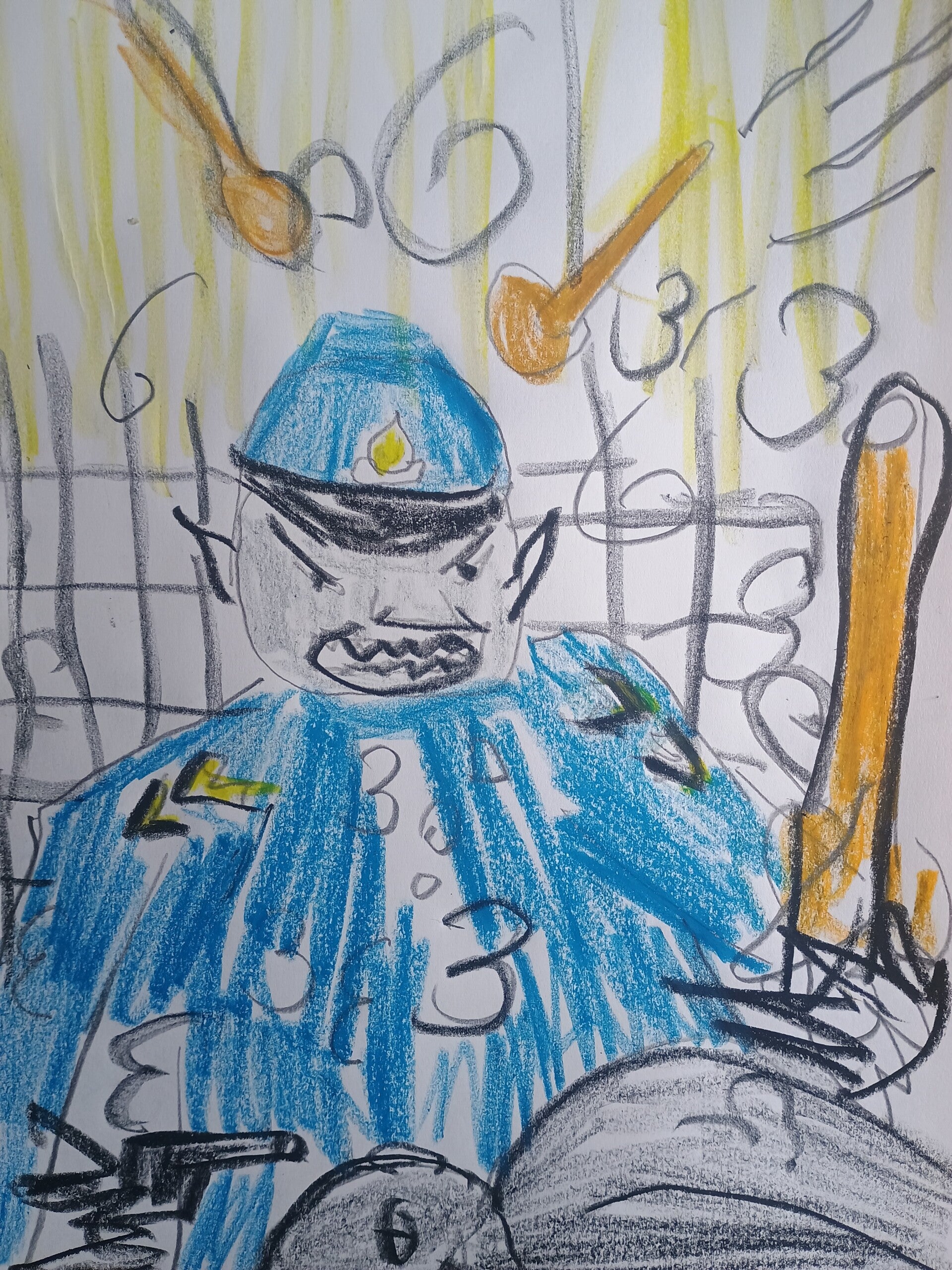
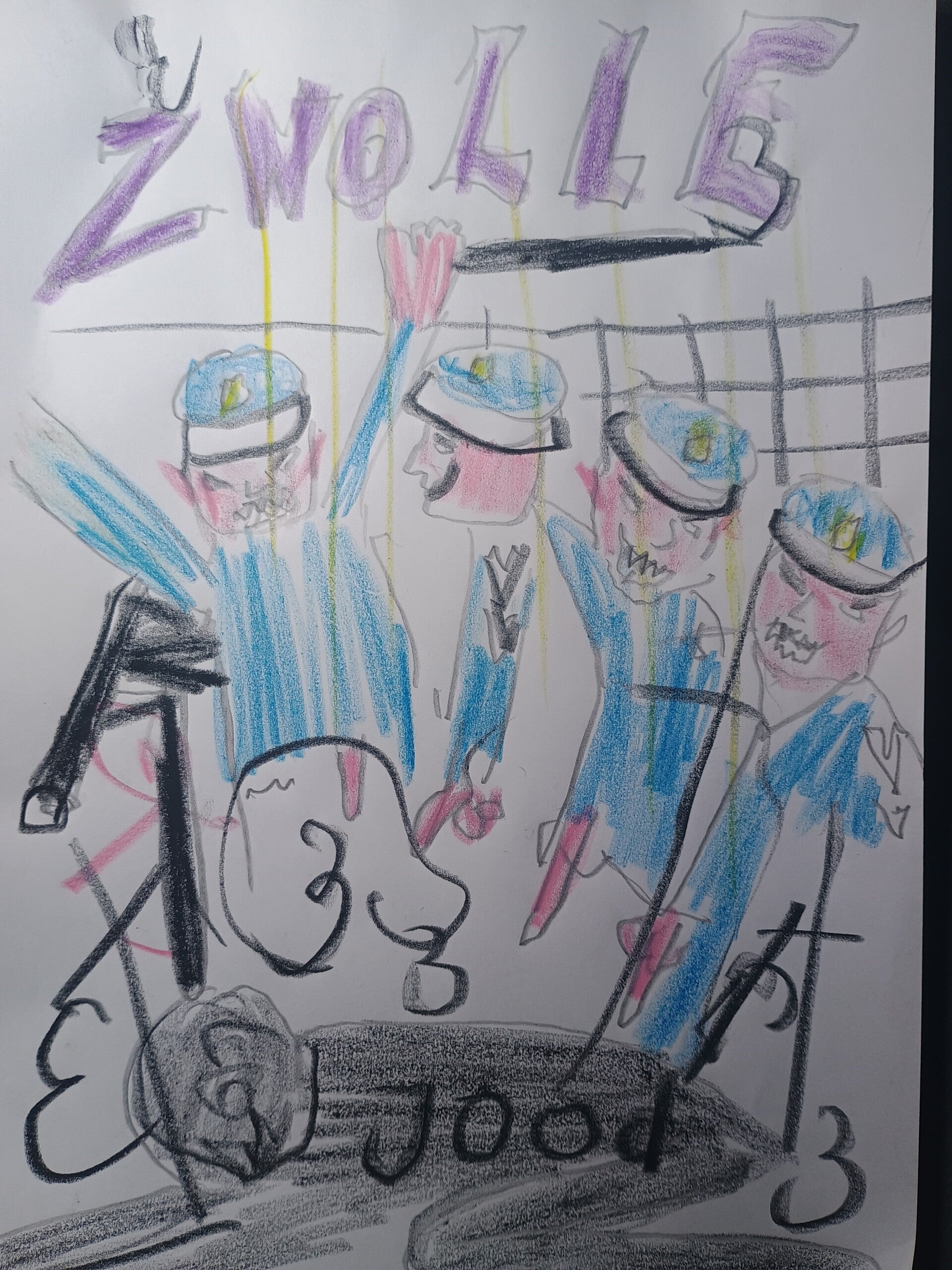
Trauma art #3 Police sexual violence, abuse and brutality 99 - 120

99. One of those
30 x 40 cm Mixed media 2025
Breaking the Social Contract
"This work is brought into the public eye to expose the hidden, fascistoid methods of state power abuse — carried out by the Dutch police against those stripped of advocacy and representation in society."
The Cycle of State Violence: From Foster Care to Police Terror
The extreme brutality I encountered in a police station in 1986, just five years after leaving the Dutch youth care system, was the logical continuation of a state-engineered assembly line. It is directly comparable to the "Foster-to-Prison Pipeline." In this systemic cycle, the state first strips children of their families, childhood, safety, and human dignity.
When these broken children enter adulthood, the police do not view them as citizens deserving of empathy, support, and protection. Instead, they treat them as "societal waste" generated by the government's own institutions. This became undeniable through the explicit language the police used, targeting "deviance," a "foster care background," and branding me as part of "a different species against which we wage war."
By weaponizing nazi rhetoric and antisemitic hate speech, the Zwolle police department functioned as the ultimate clean-up crew for the Dutch government. Living with the most complex identity issues imposed by the Dutch youth care system and deprived of protection from the LGBT+ community or the state itself, the Zwolle police targeted me as "one of those"—classifying me as an Untermensch.
Violations of ECHR Article 3
The violations of Article 3 of the European Convention on Human Rights (ECHR) in the Zwolle police station (January 22 – January 30, 1986) constituted systemic torture. They included violence resulting in permanent physical injury, sleep and food deprivation, death threats, Nazi/antisemitic dehumanization, forced nakedness, sexual 'correctional education', sexual intimidation, and severe sexual violence. A police officer, posing as a lawyer, explicitly stated that "the police had the right to completely destroy suspects, regardless of whether the allegations were true, just for the sake of it."
This terror was fueled by a corrupt police officer acting out of personal vendettas. Thirty-two years later, in 2018, a high-ranking delegate of the Dutch National Police finally admitted in the presence of the National Ombudsman that these horrific violations did indeed occur within their departments during the 1980s and 1990s.
The Illusion of Recognition
The Schadefonds Geweldsmisdrijven (the Dutch State Compensation Fund for Victims of Violent Crime) fully recognized the permanent psychological and physical injury caused by this police torture, classifying it in the highest category (Category 6). Yet, in a cynical act of administrative cruelty, they merged this separate 1986 case with a previous Category 6 recognition for violence suffered in the youth care system also resulting in physical injury (1966–1979). They turned two distinct eras of state terror into "one single case" solely to evade financial compensation and reparative justice. Moreover this act leads also to the fact the case is now made invisible in statistics. It avoids the state's duty and responsibility to support victims of their acts of torture (as in article 14 of the UN)
Despite having no criminal record, there is still no rehabilitation, no tailored psychological support, and no institutional help.
Even with full recognition by the state, victims of this institutional violence are left in a complete void. There has been no repair for a lifetime of physical injury and the impact of extreme sexual violence carried out in confinement by a group of police officers. In 2026, the Dutch government continues to show deep contempt for the victims of its own violence, leaving them to carry the weight of lifelong trauma in isolation. Drawing is the only way to deal with it.
--
Selected images created in 2025
30 x 40 cm on paper oil pastels and mixed media
Click to enlarge
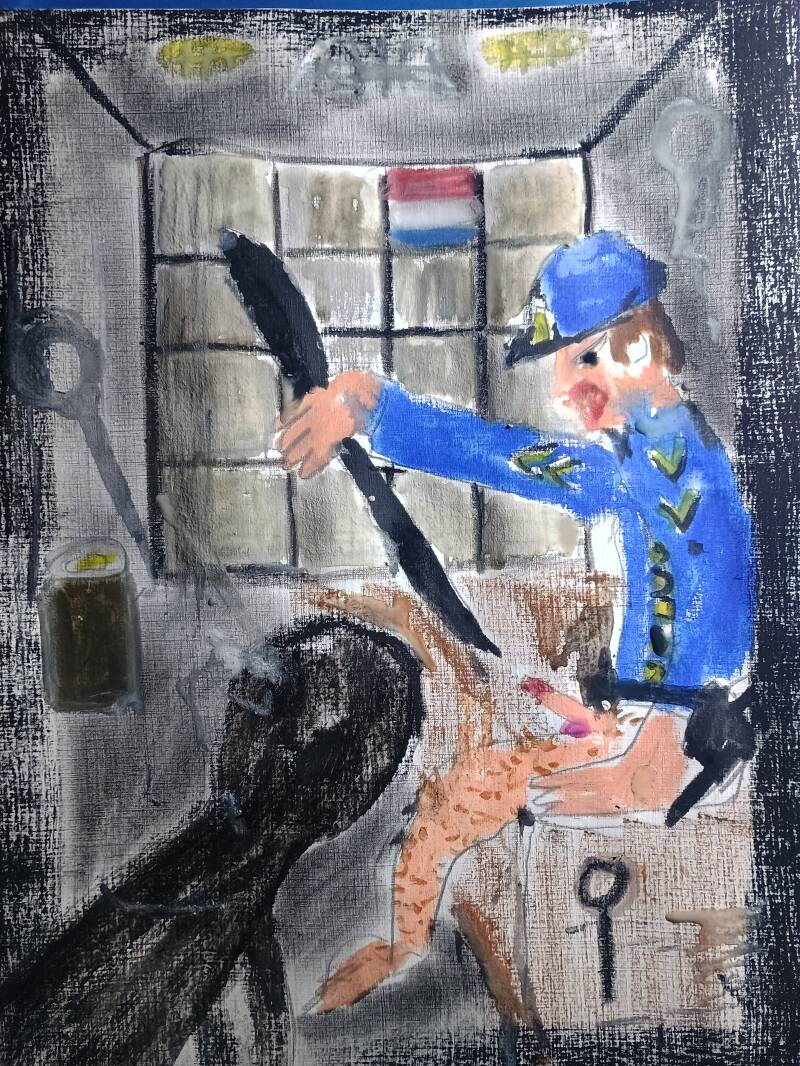
Corrective lessons
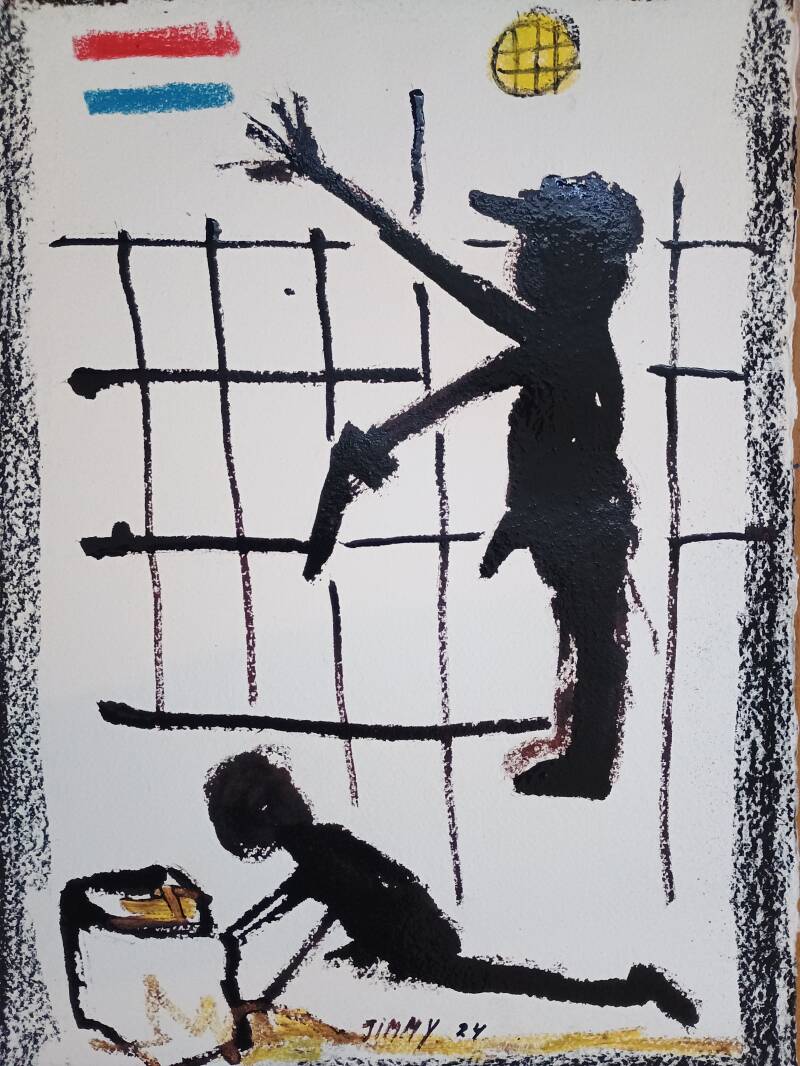
101. Dutch Hidden State Policy
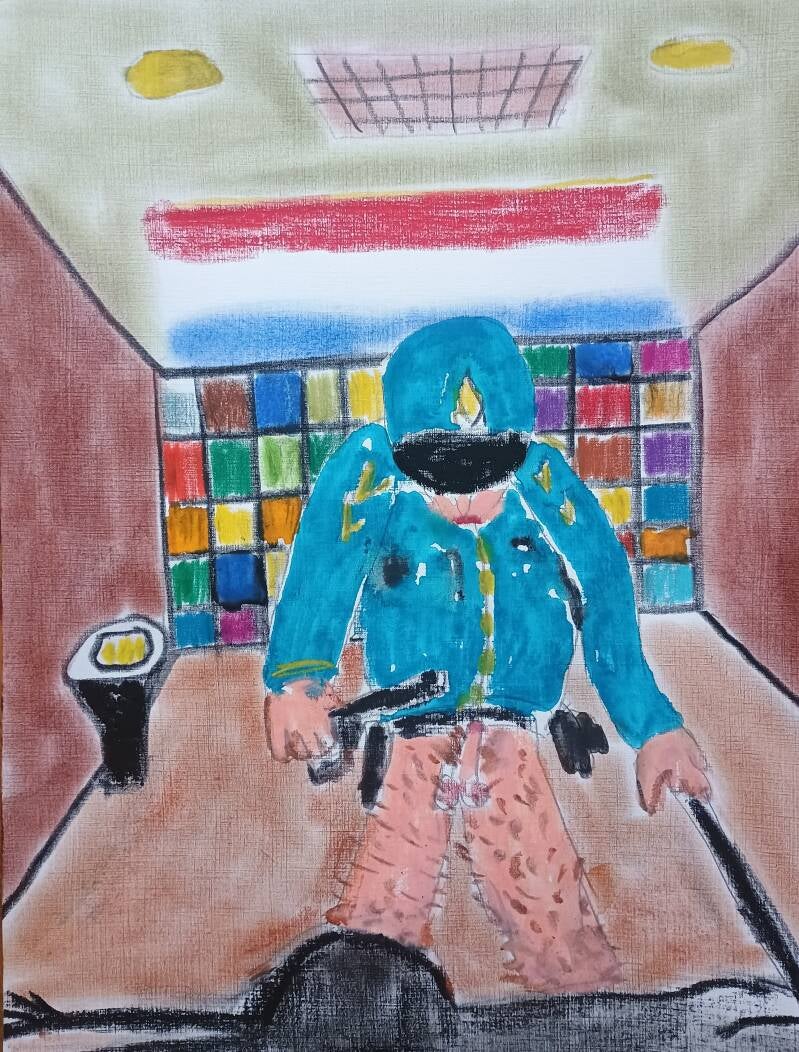
Diutch hypocrite Pink in Blue" police
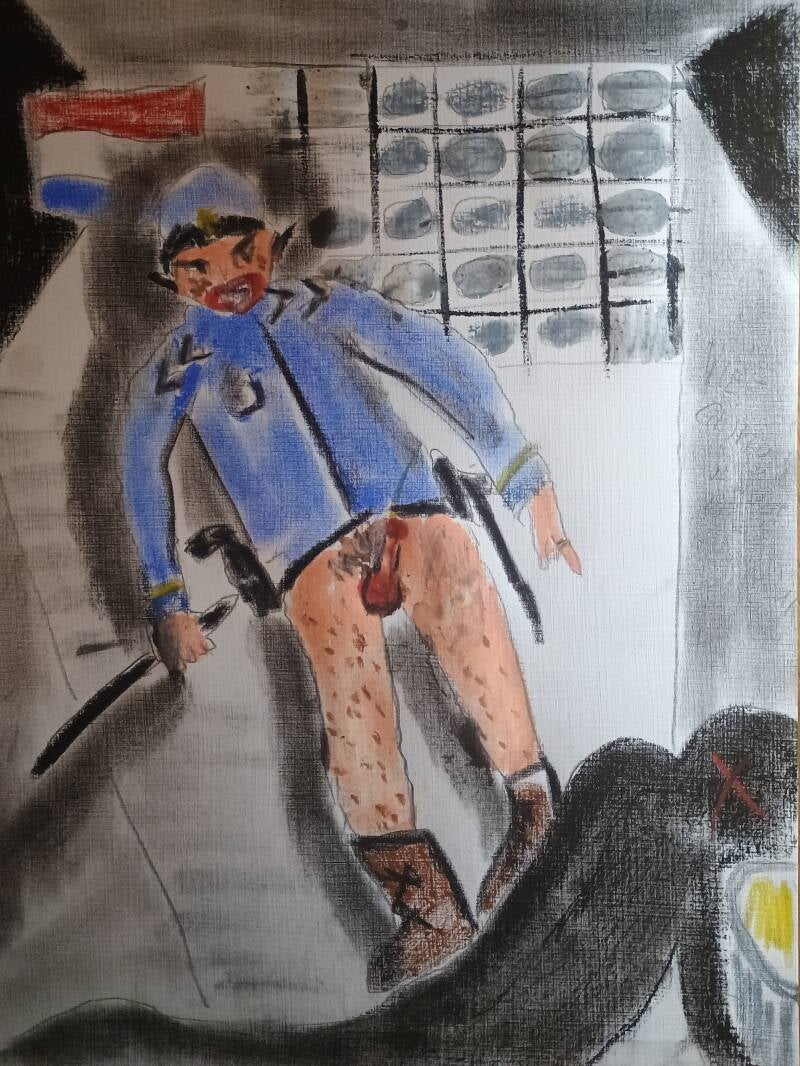
103. The toilet
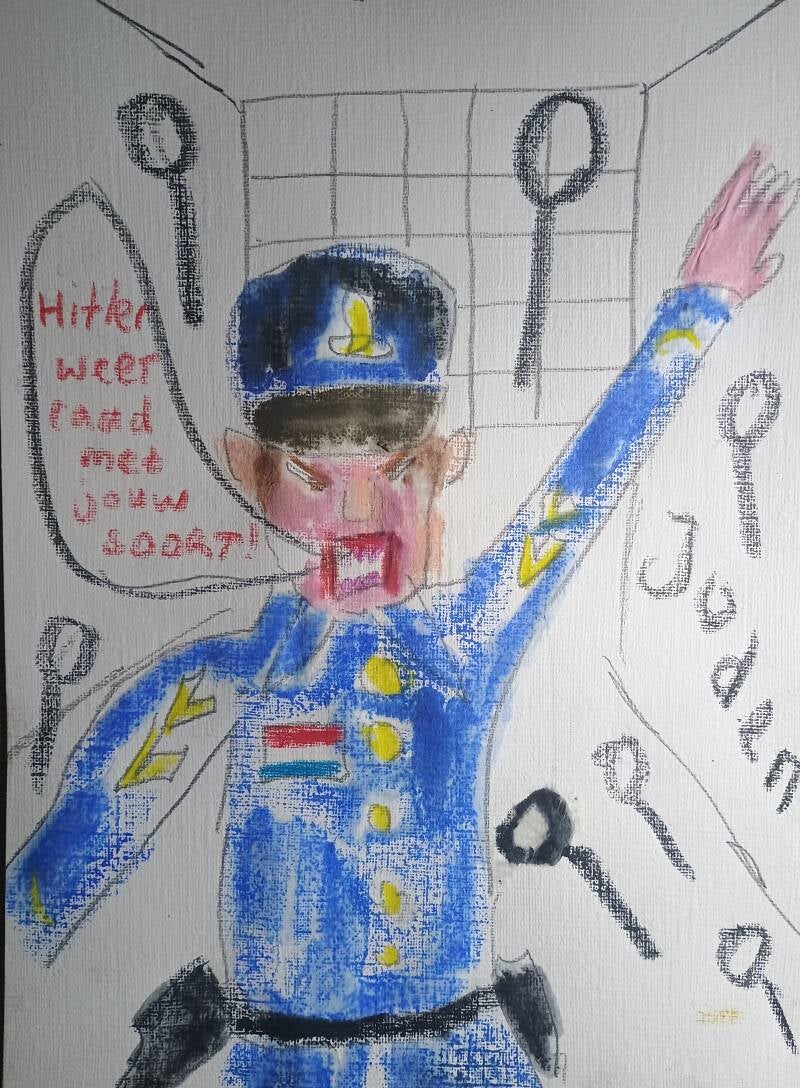
104. Dutch policy with antisemitic rhetoric
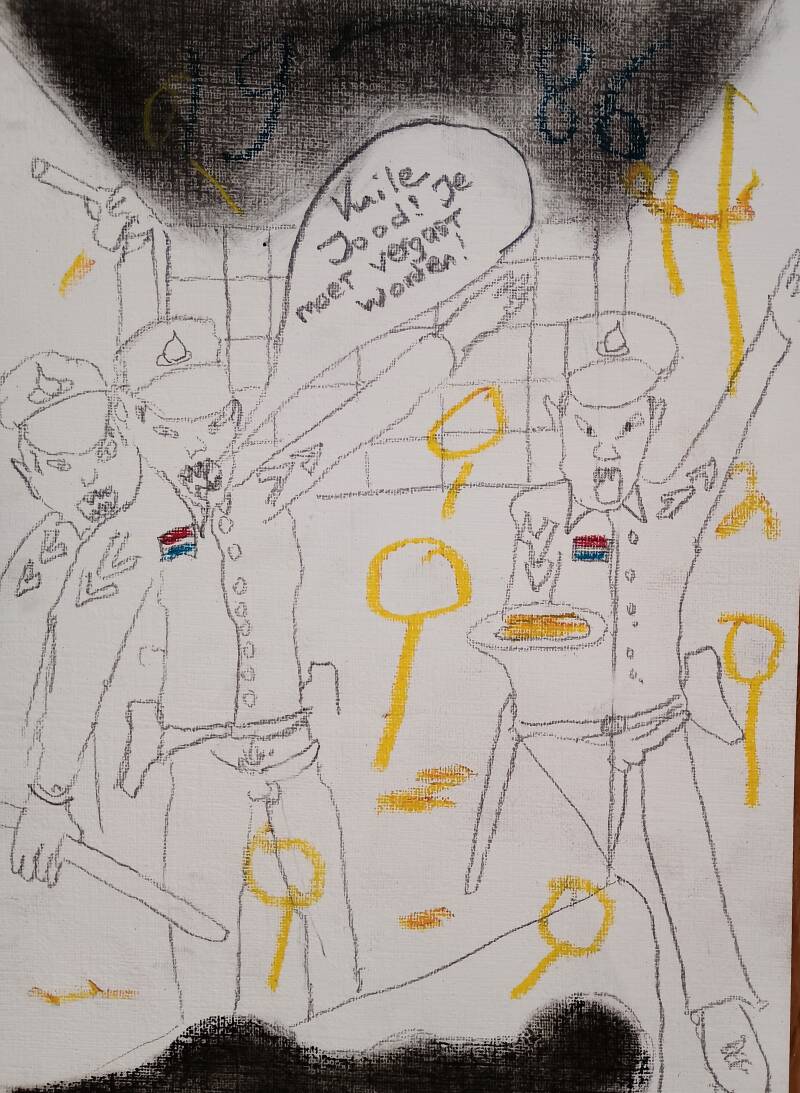
105. Death symbols

106A. Interrogation by good cop/ bad cop
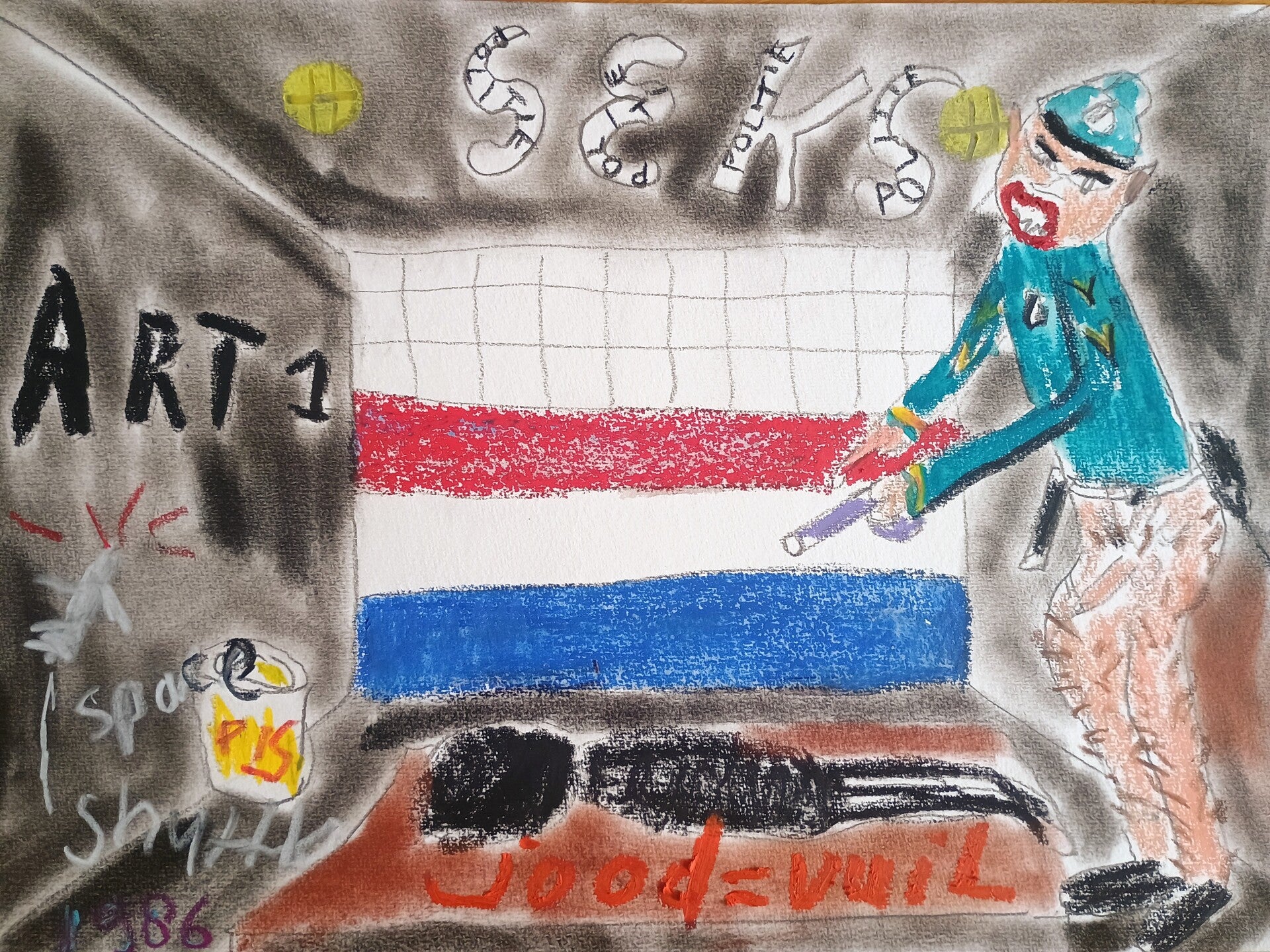
106B. 'Dirty Jew'
mixed media on paper 30 x 40 cm
2023

107. Der neue Untermensch
watercolor and pastel 30 x 40 cm 2023
2019/ 2022
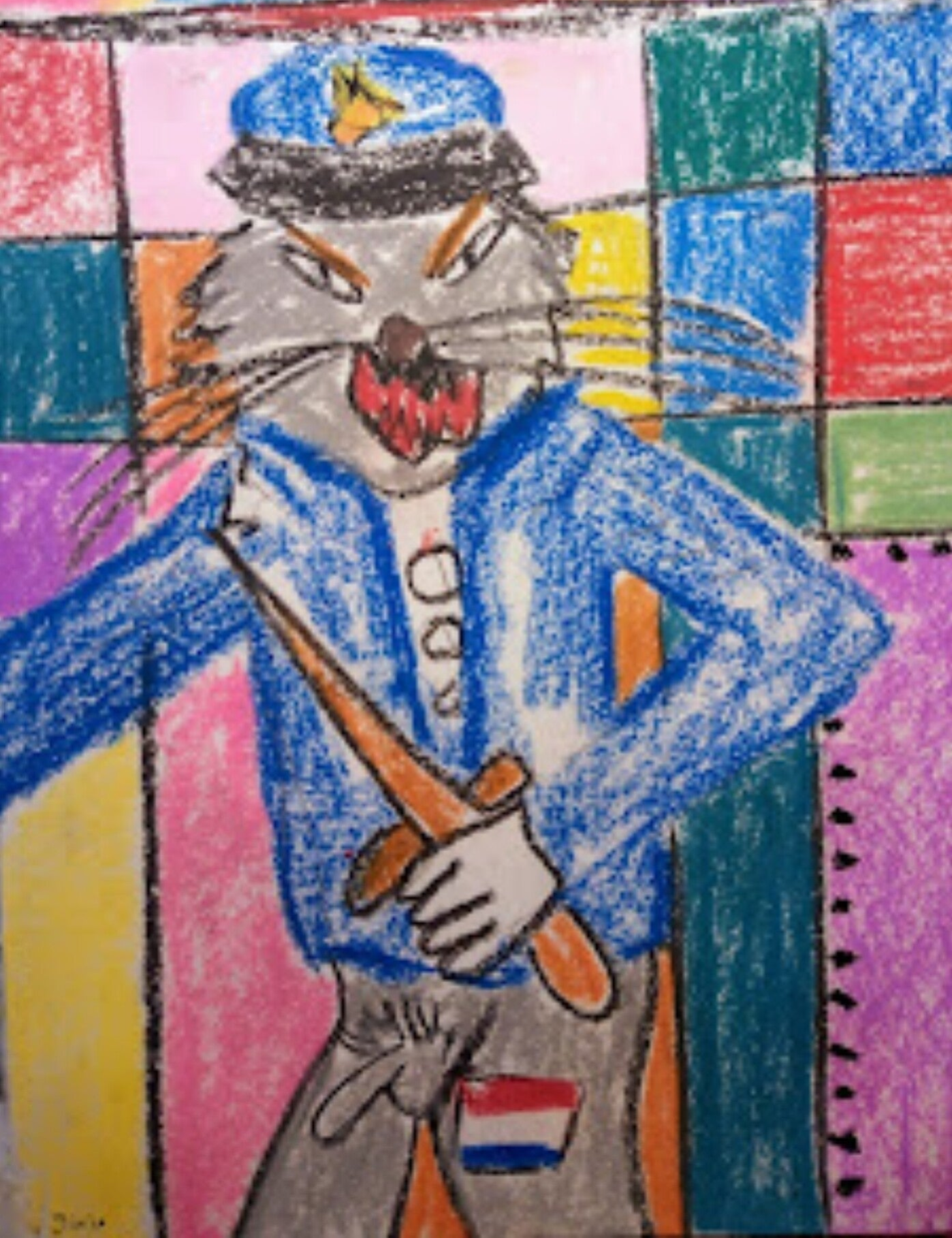
Original drawing "All Cats Are Bad?"
2019 pastel on paper 30 x 40 cm
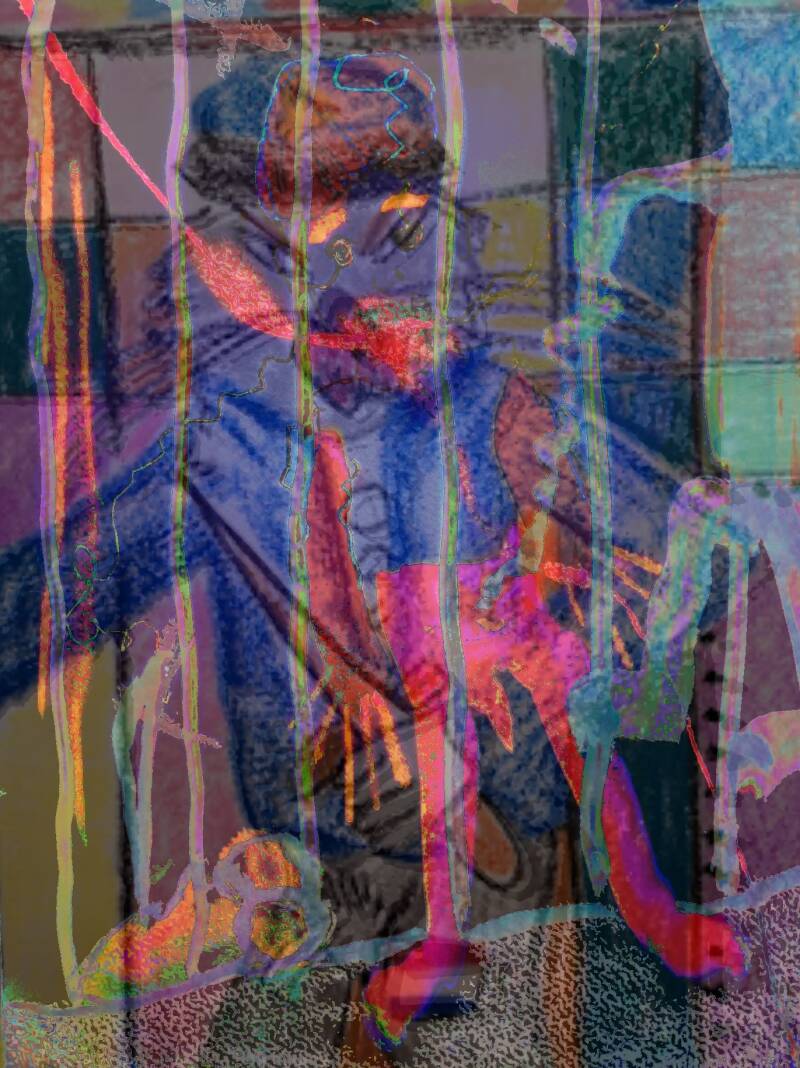
Again
in mixed media pastel drawing/ mixed media 2022

1986: The police is only (about) dicks and power
ink on paper 2019
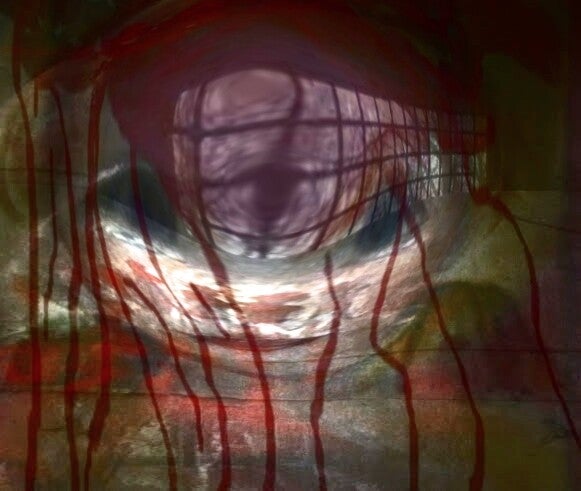
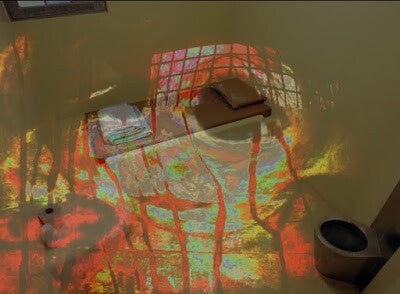
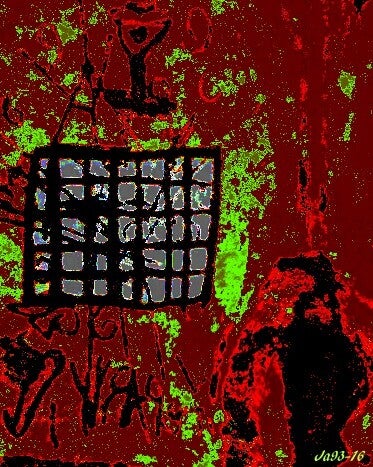
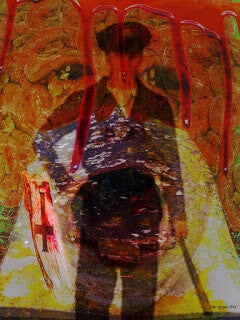
IMAGES by Jim Altanioxi in 2016 "Repetition"
Digital mix and pastel drawings related to torture in a police cell in 1986 on Zwolle
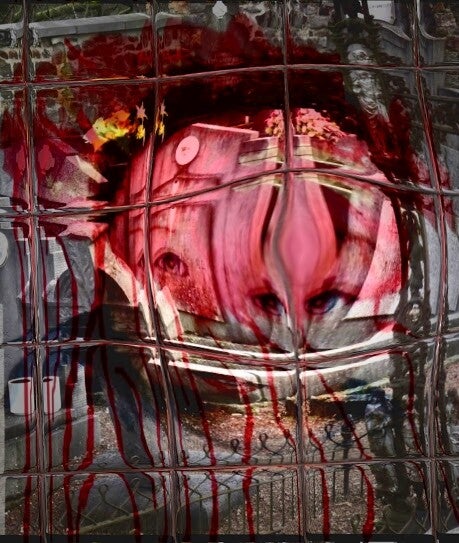
2014 or 2015
Pencil on paper 21 x 29 cm
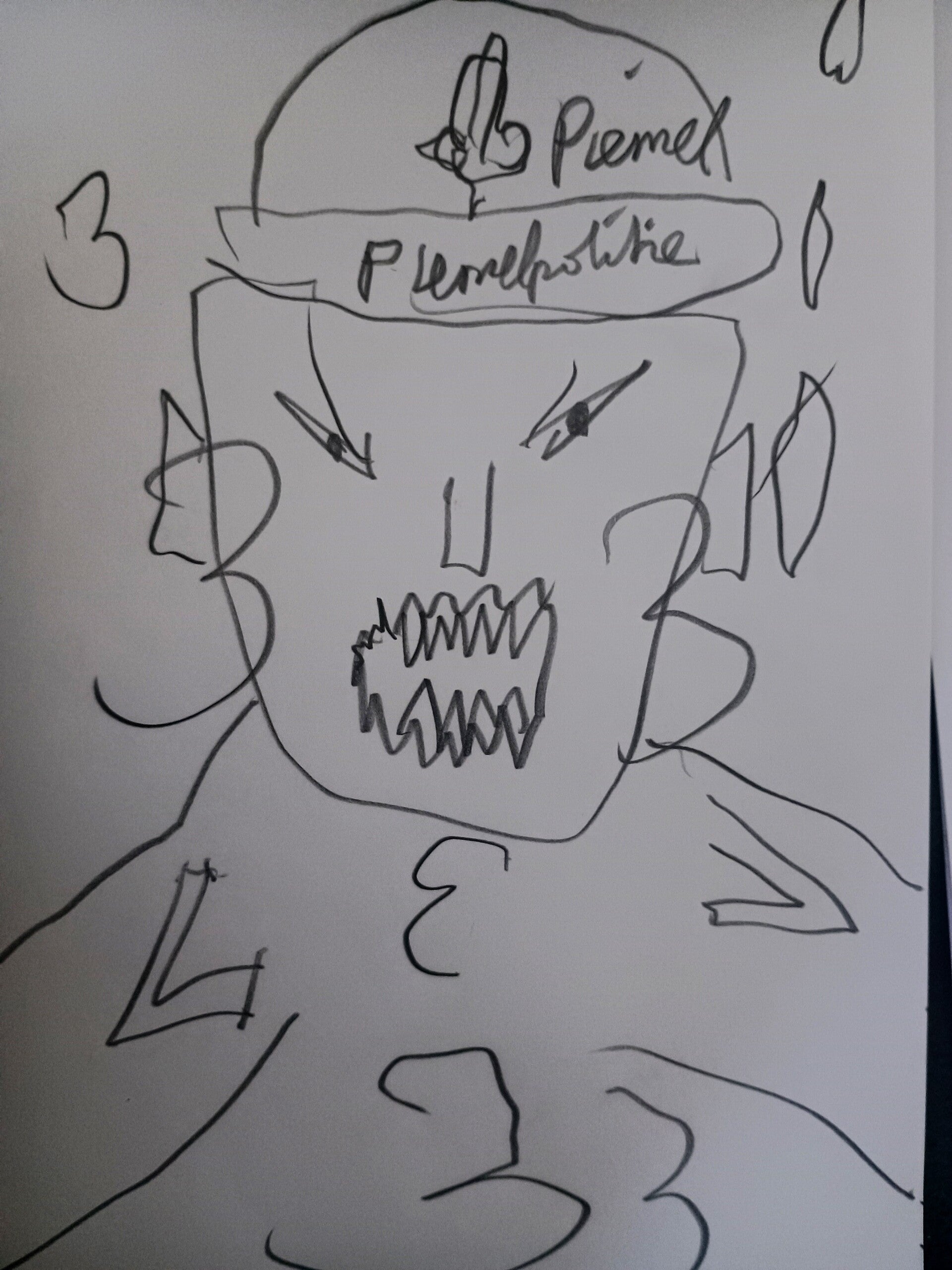
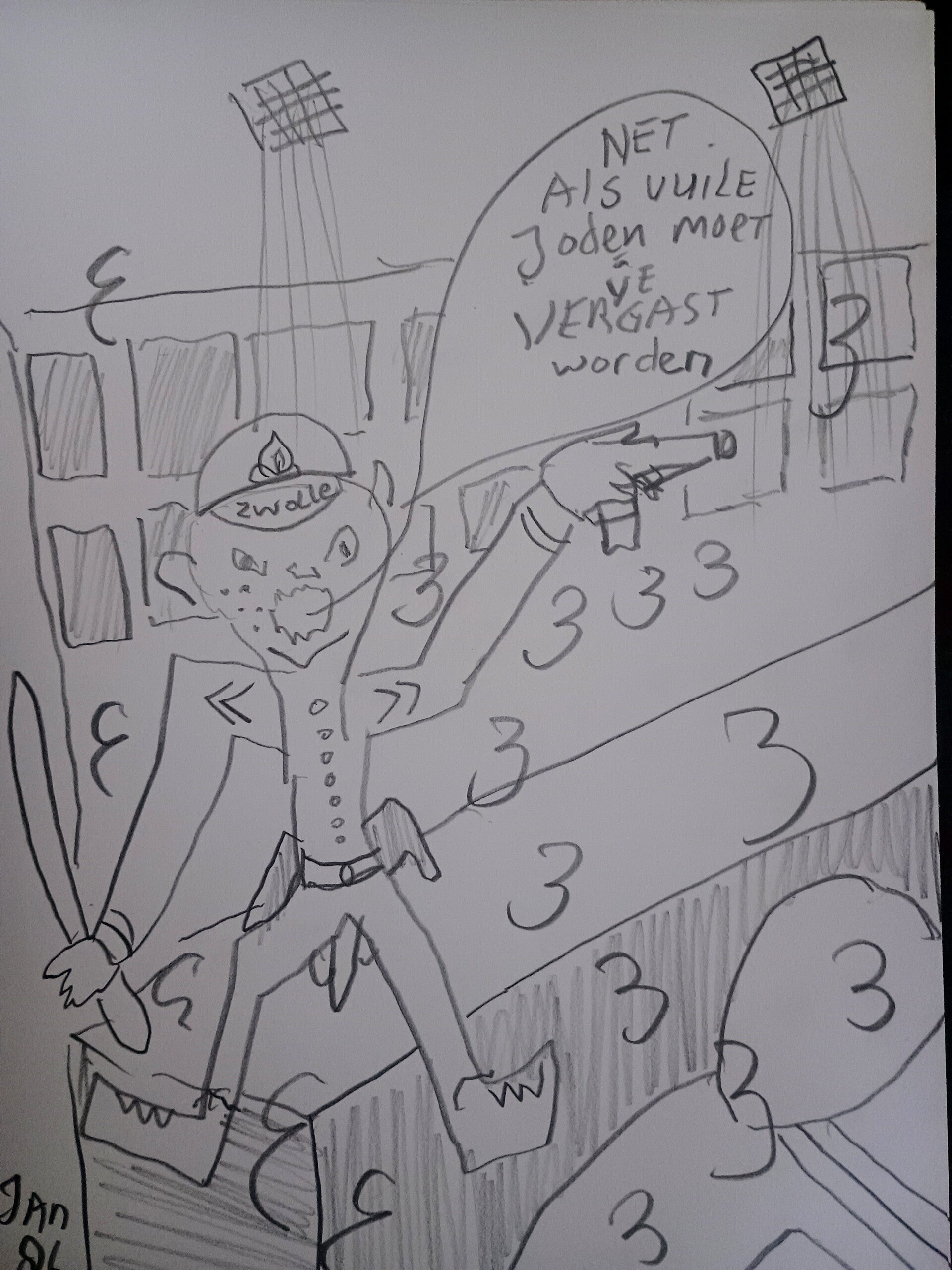
Before 2014
Pencil on paper 21 x 29 cm