"You are what you is English"
- Inspired by Frank Zappa 1981
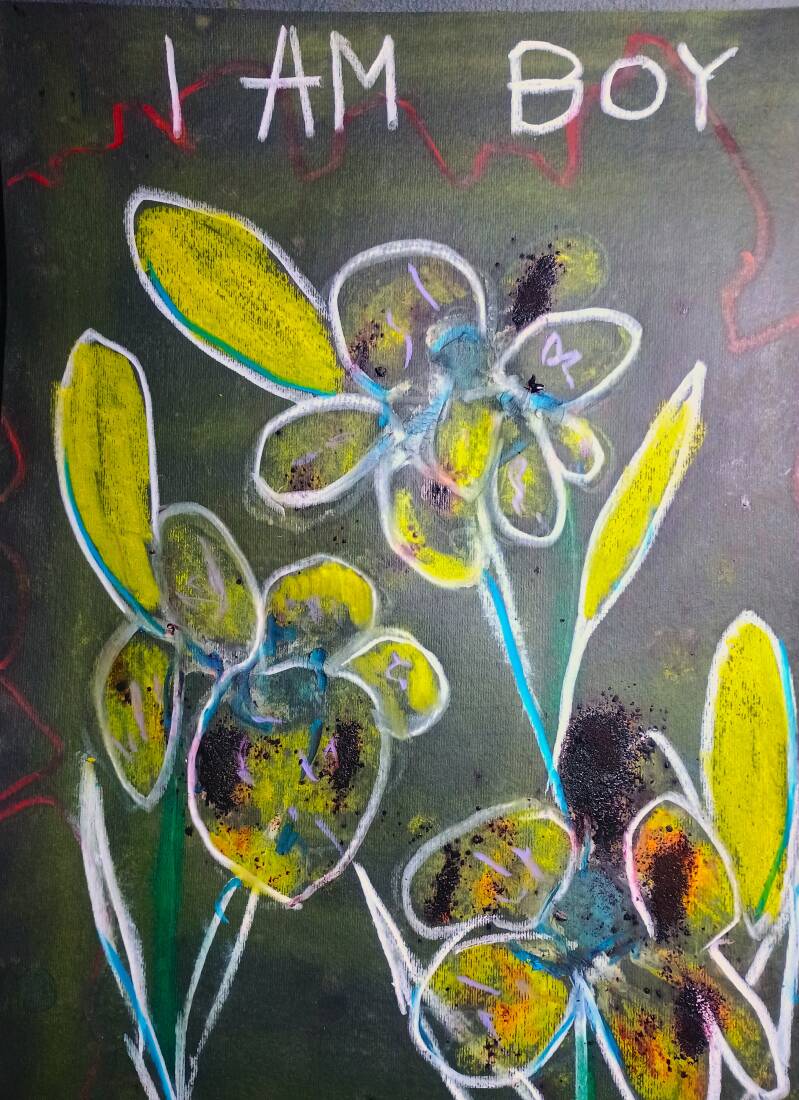
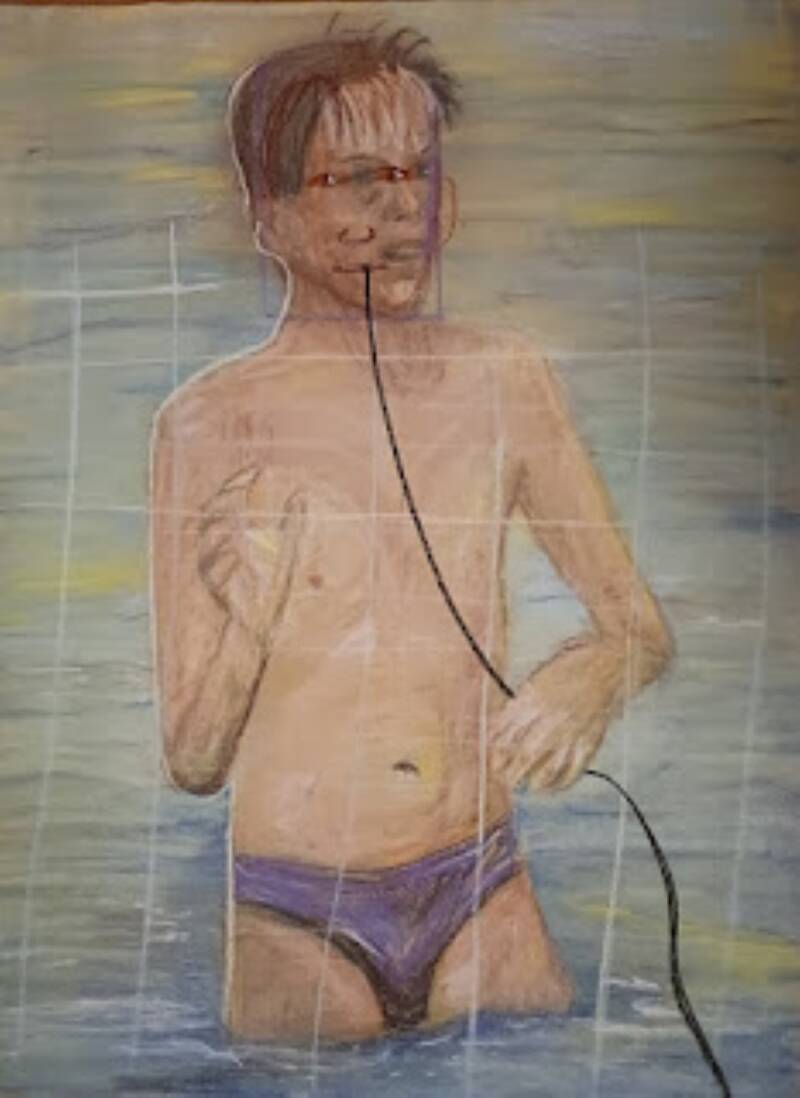
In You Are What You Is, Frank Zappa sharply questions what remains of a person when identity is reduced to a set of social expectations. His critique of conformity and imposed roles forms an unexpected yet fitting counterpoint to the work of Jimmy Groen. Where Zappa exposes the absurdity of normative identity constructions, Groen reveals the intimate, vulnerable interior of someone estranged from himself by those very norms.
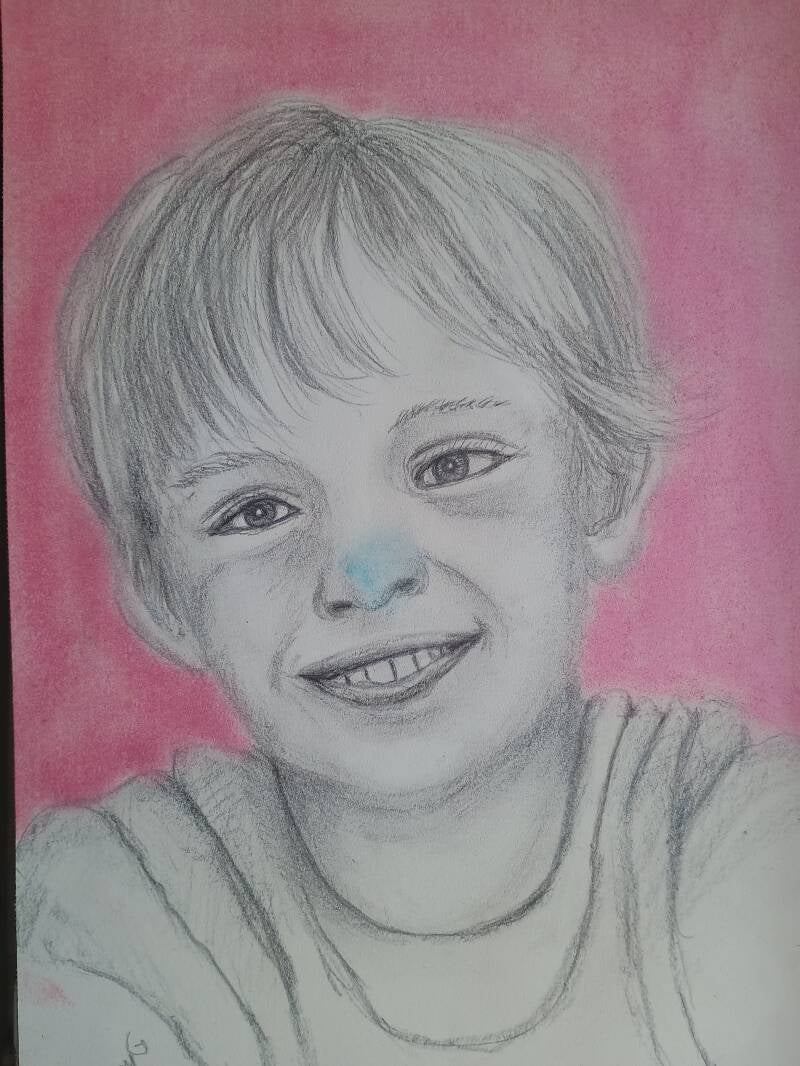
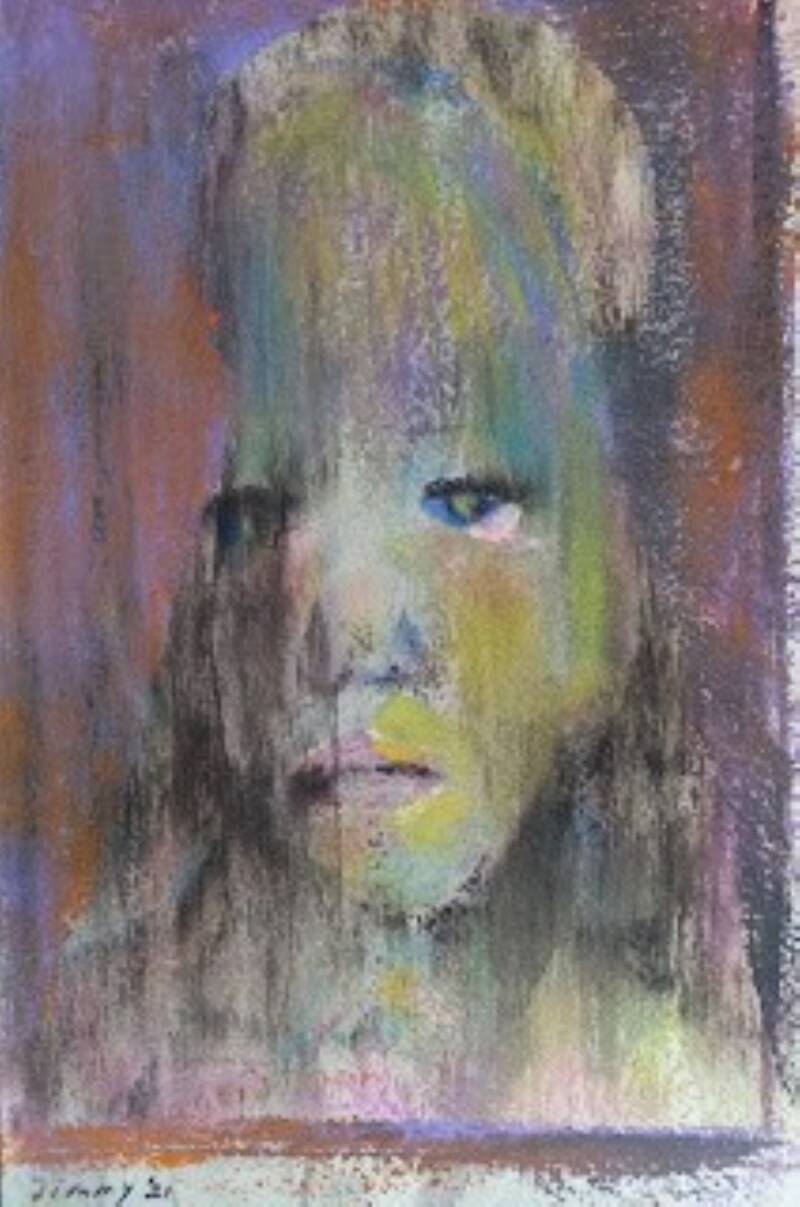
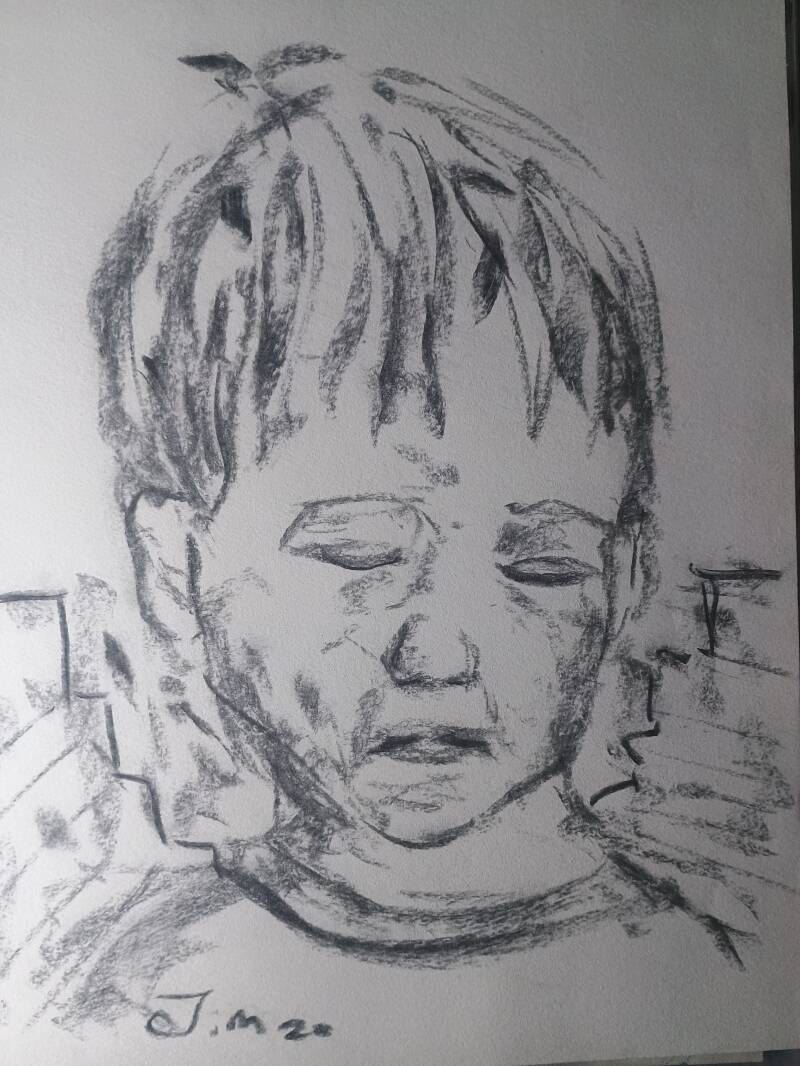
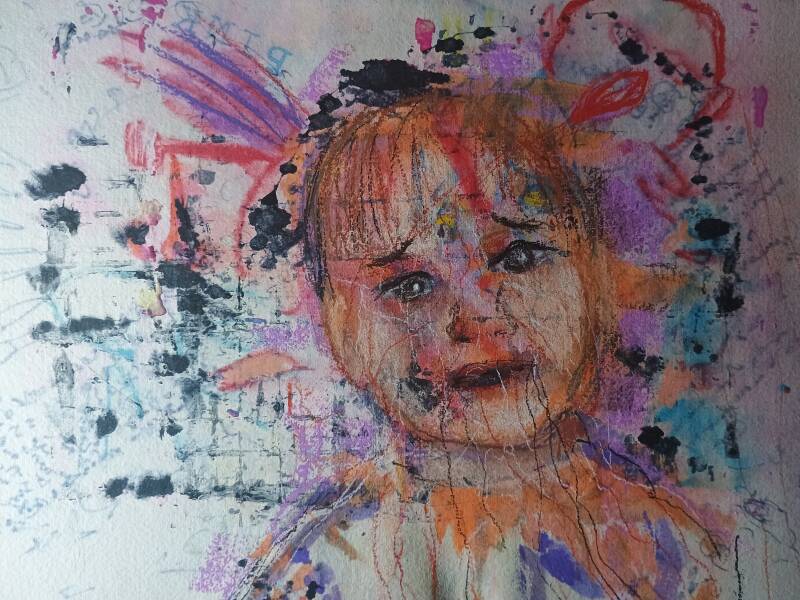
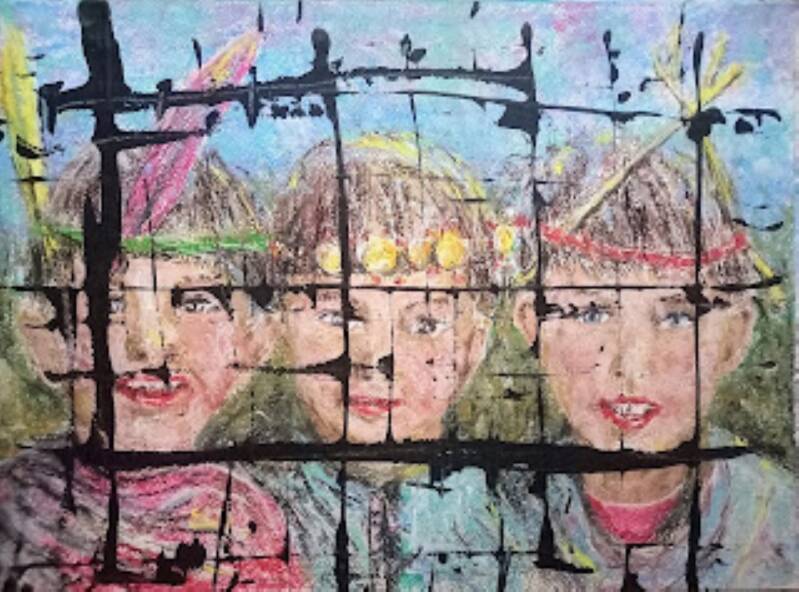
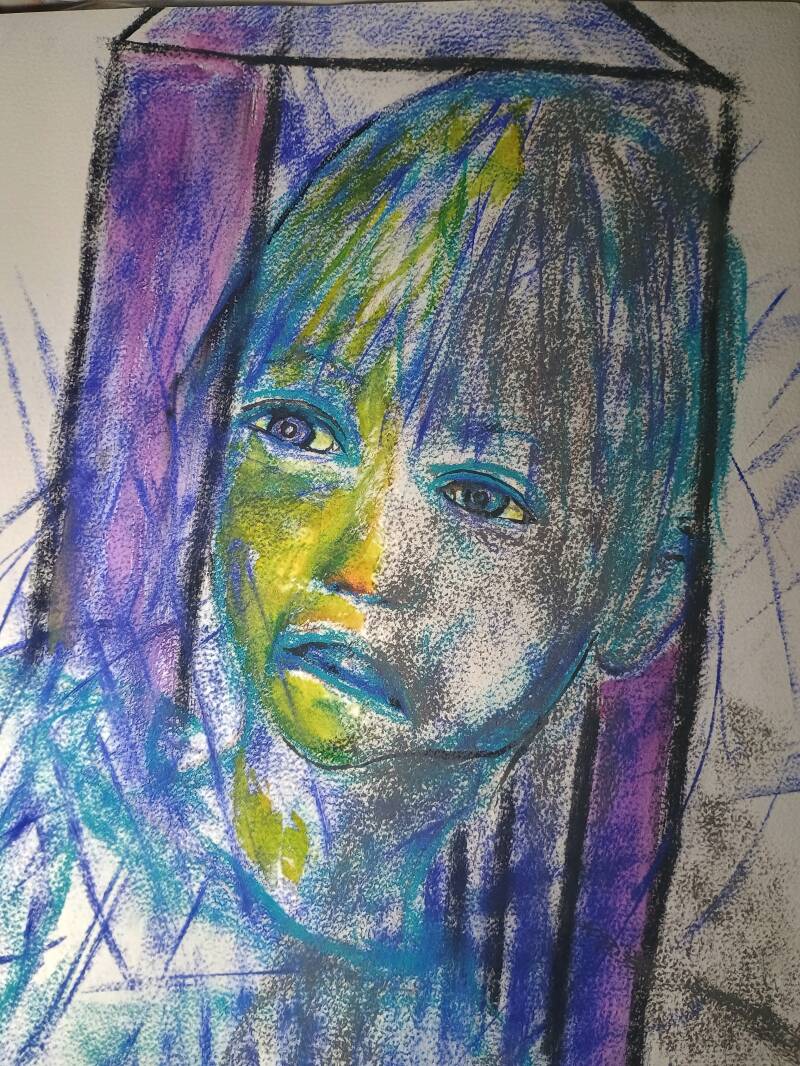
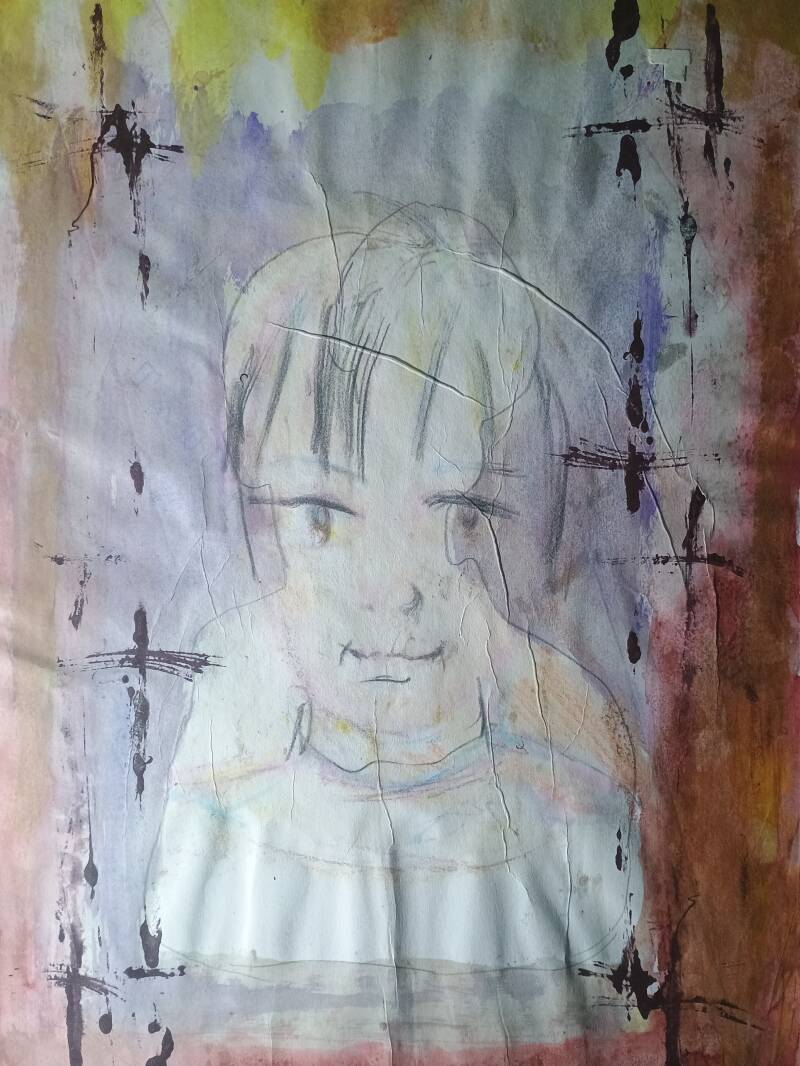
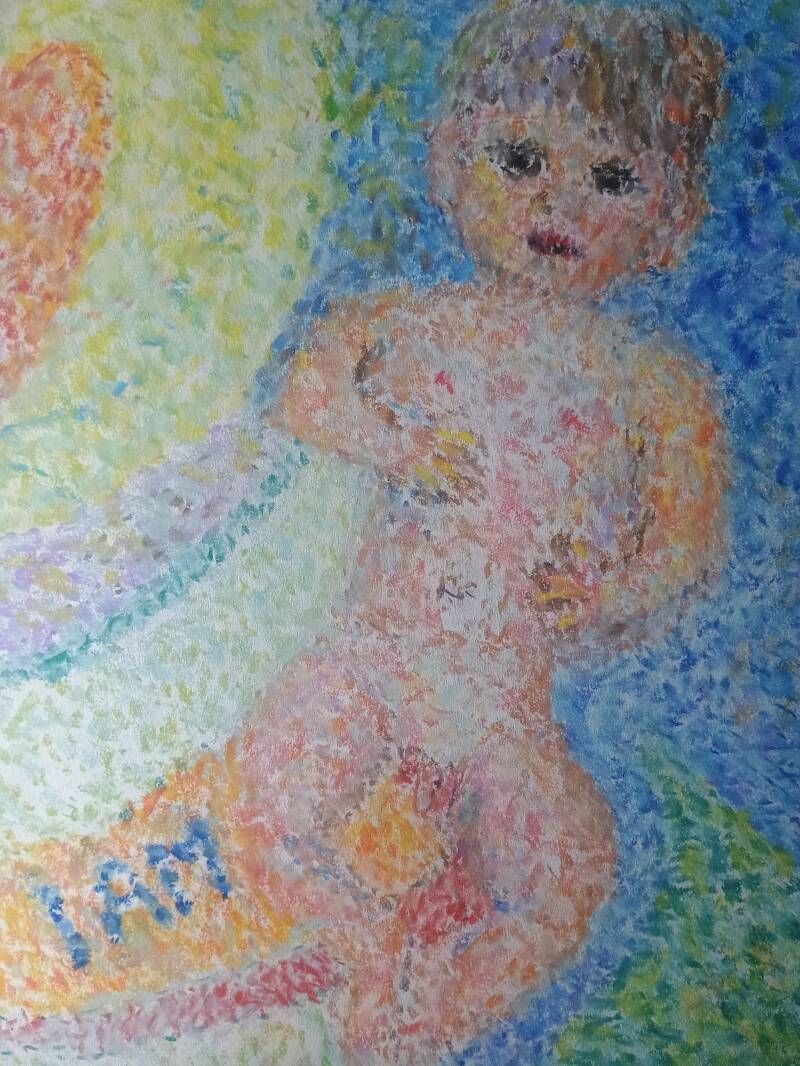
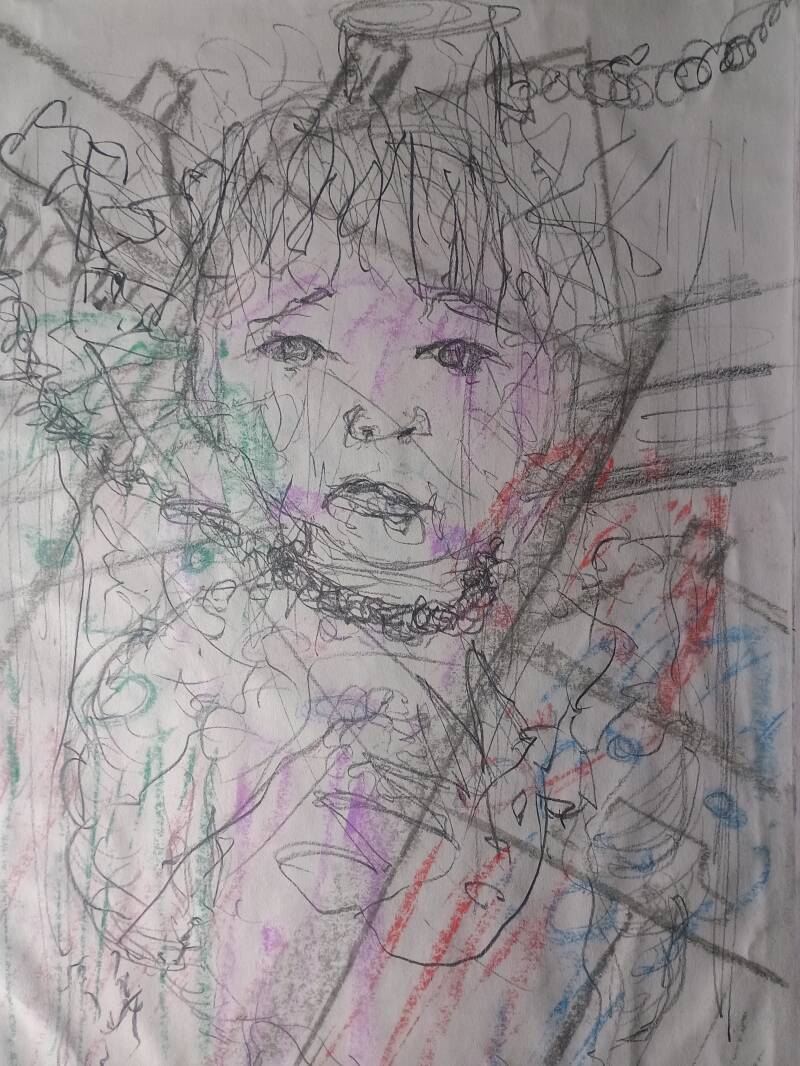
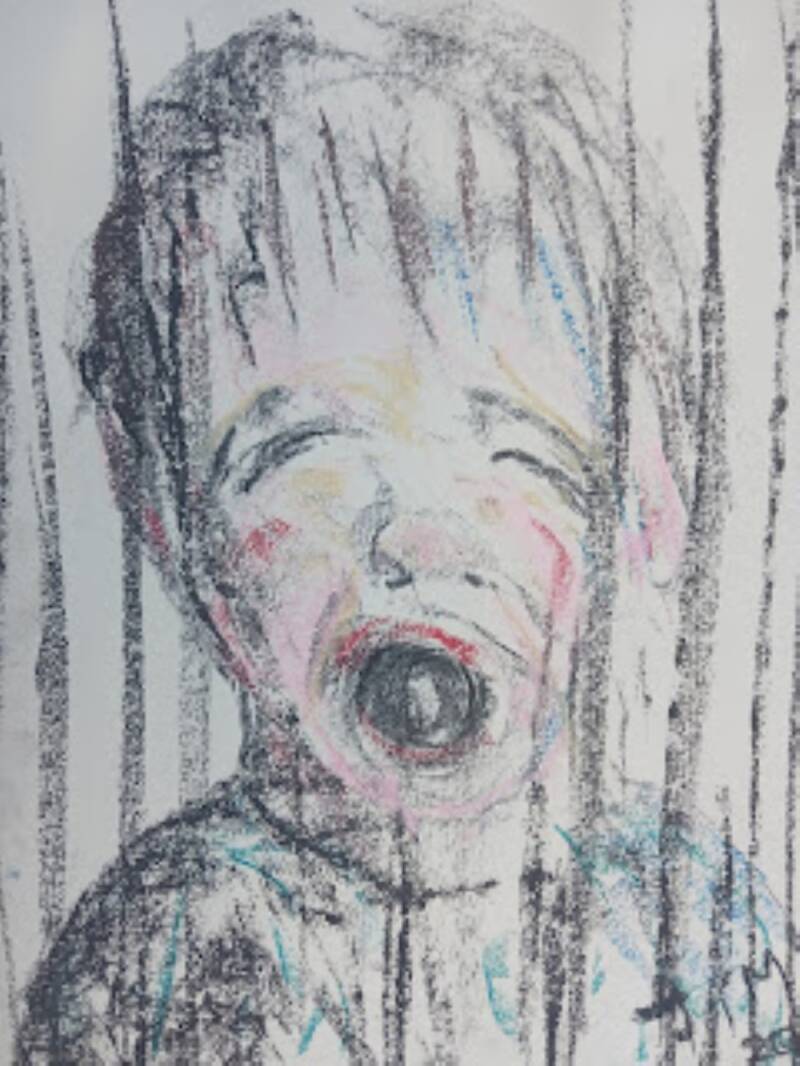
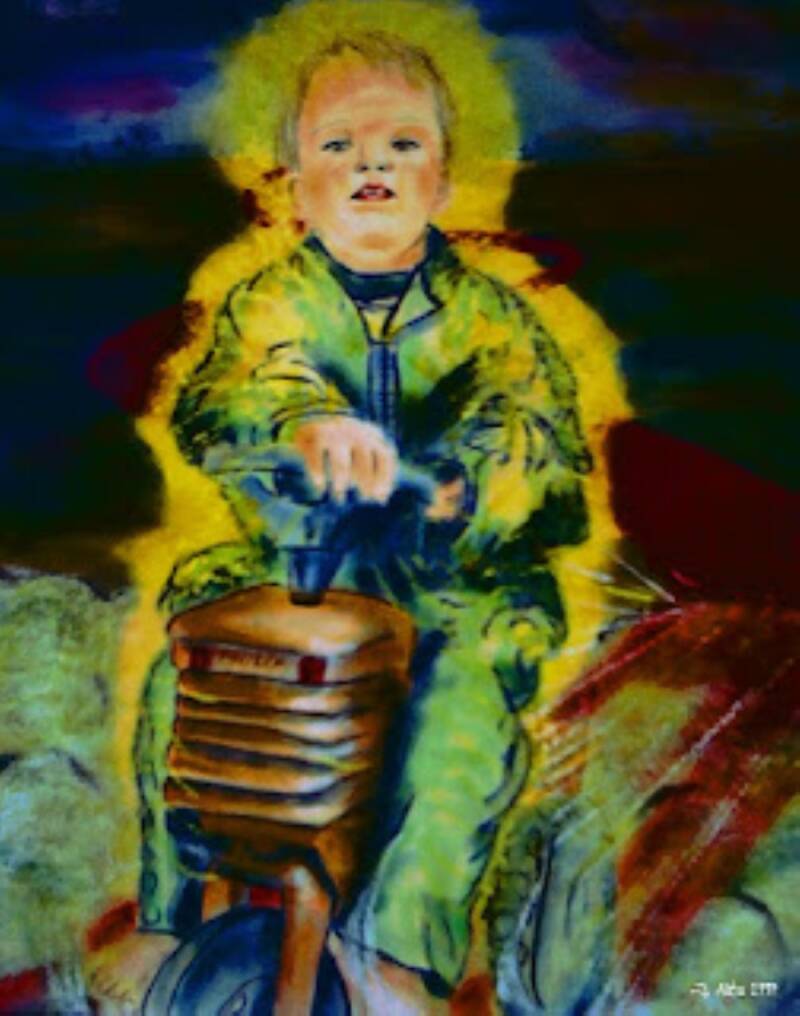
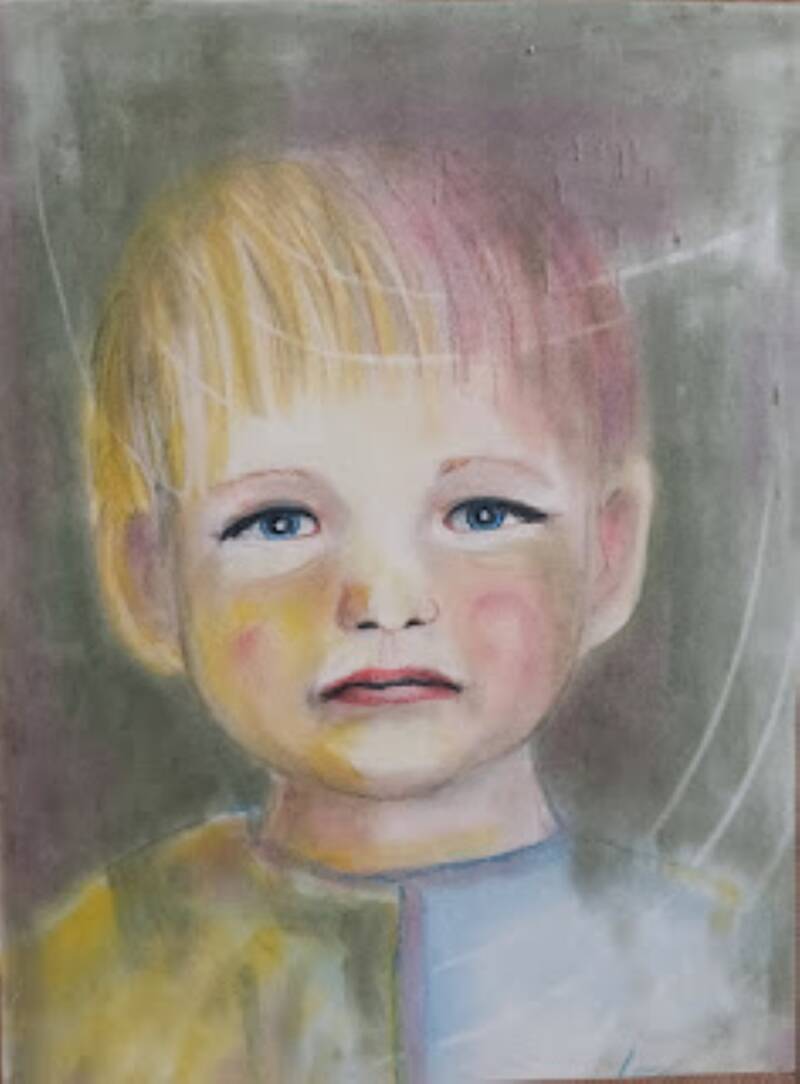
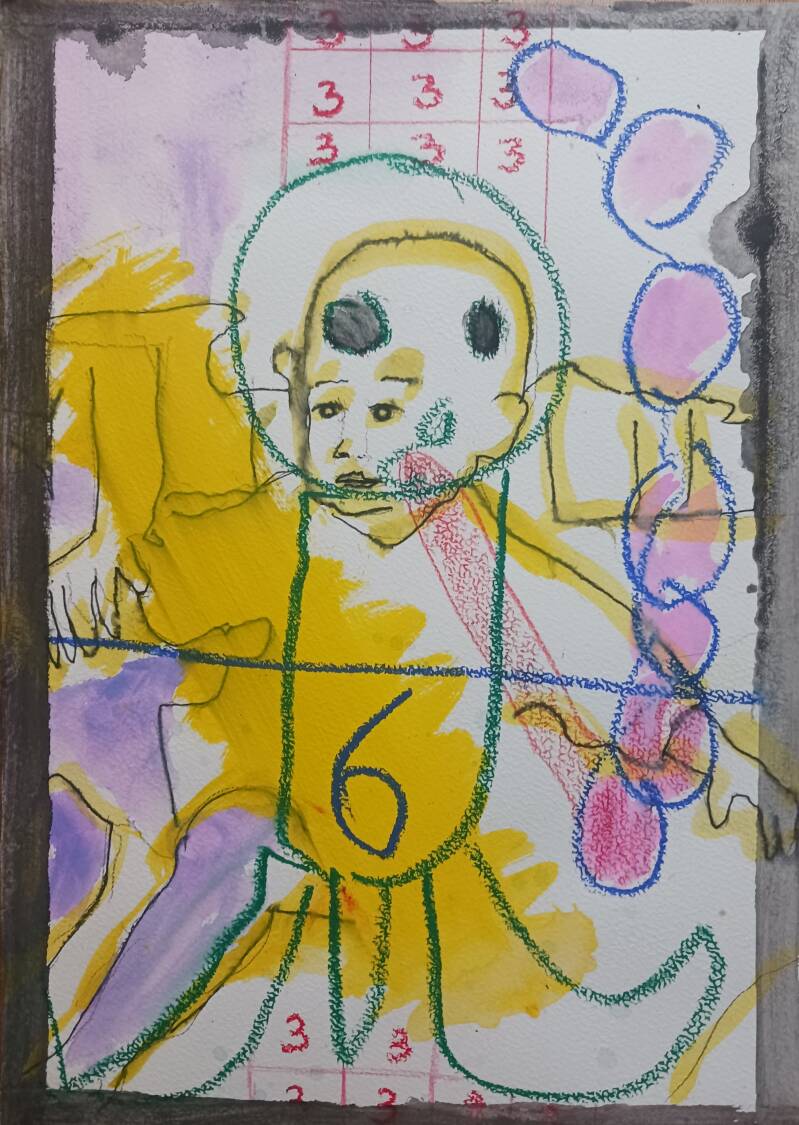
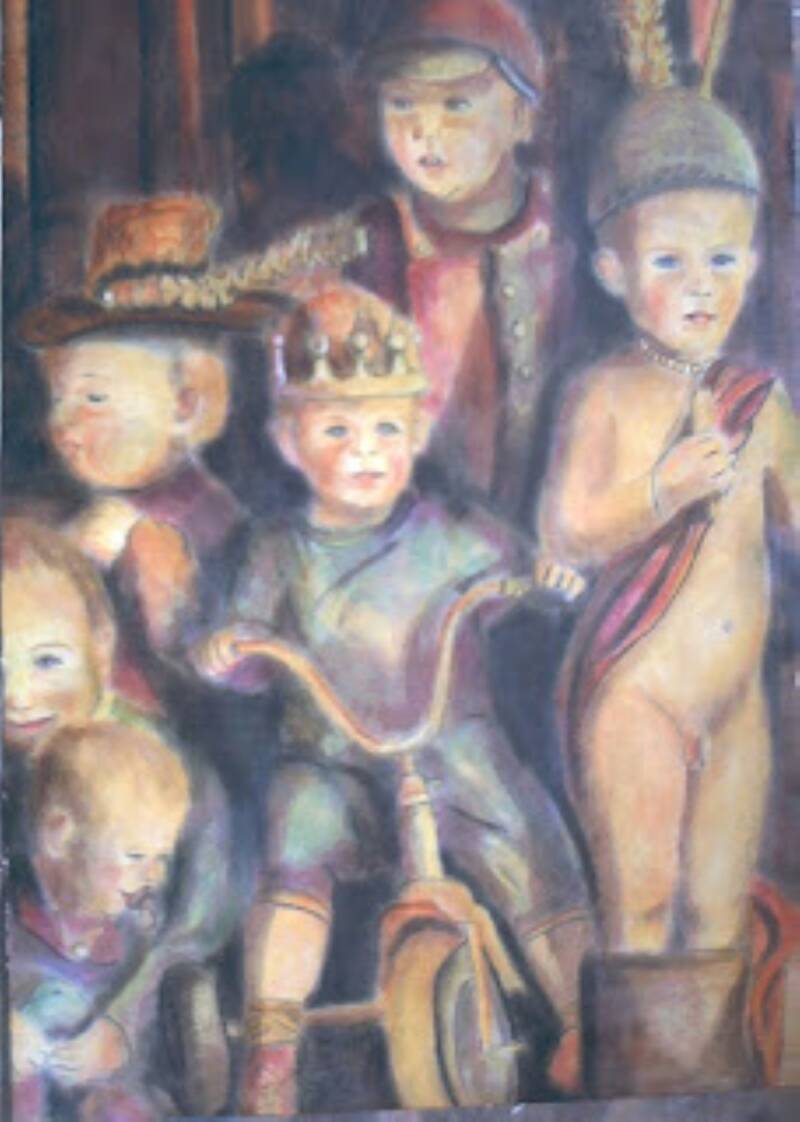
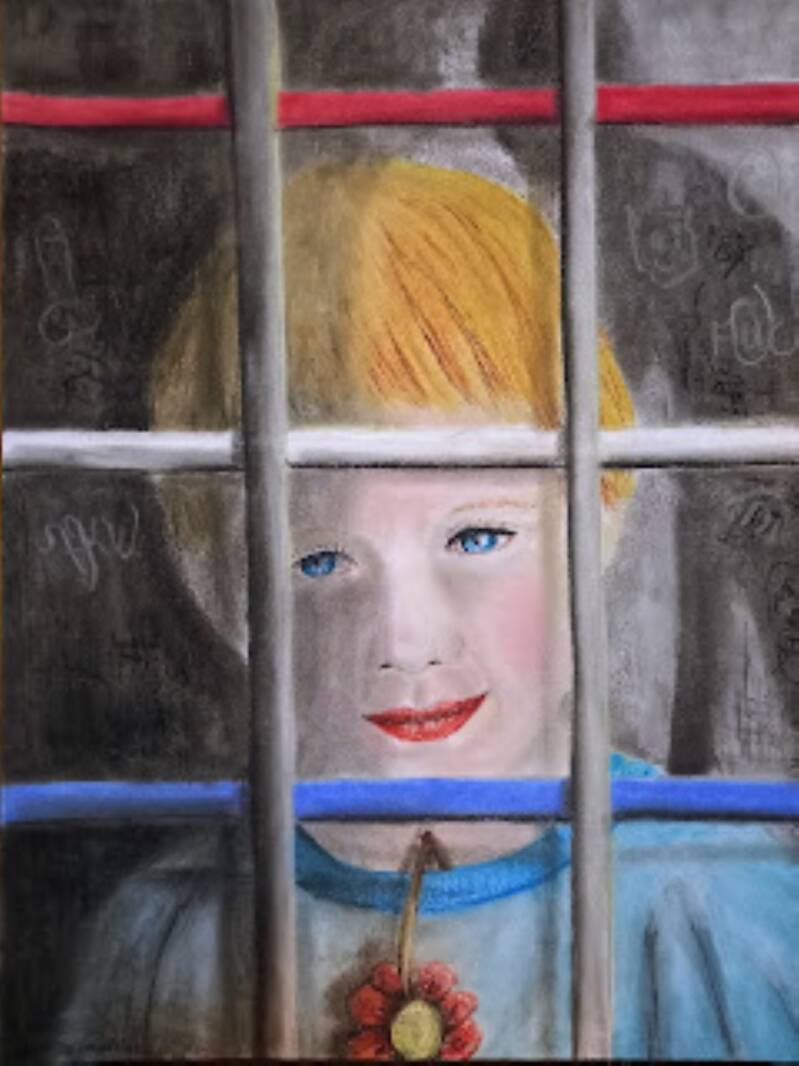
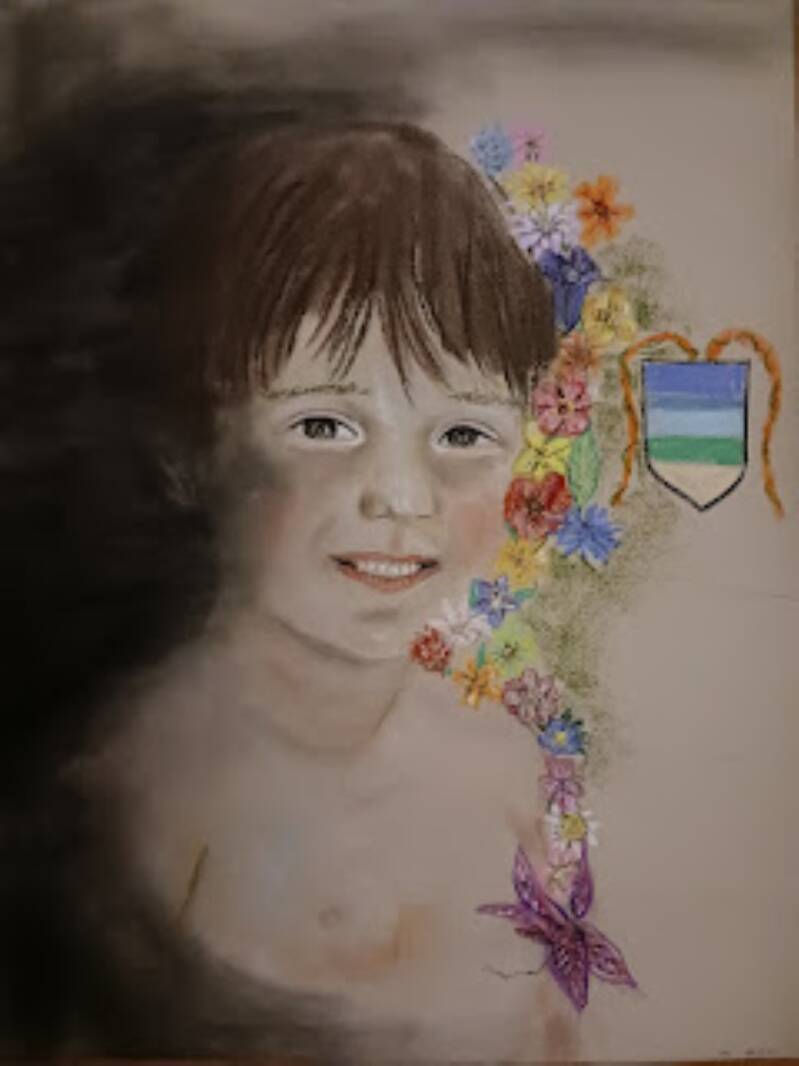
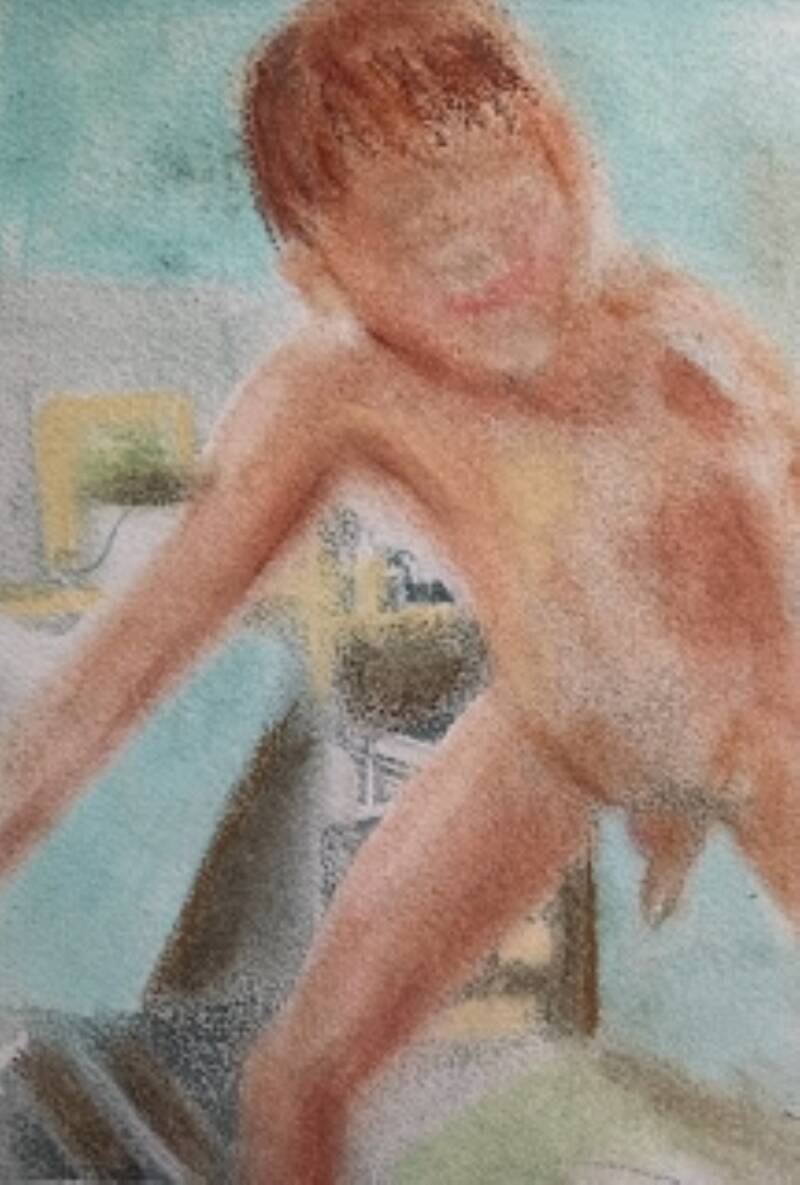
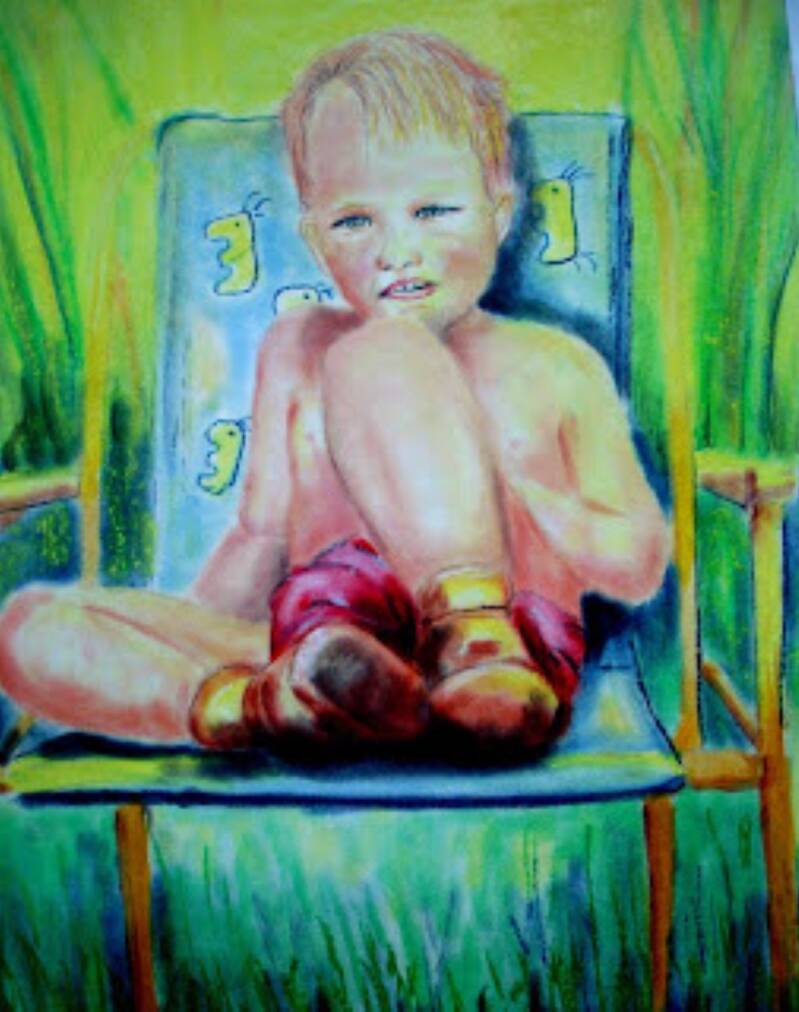
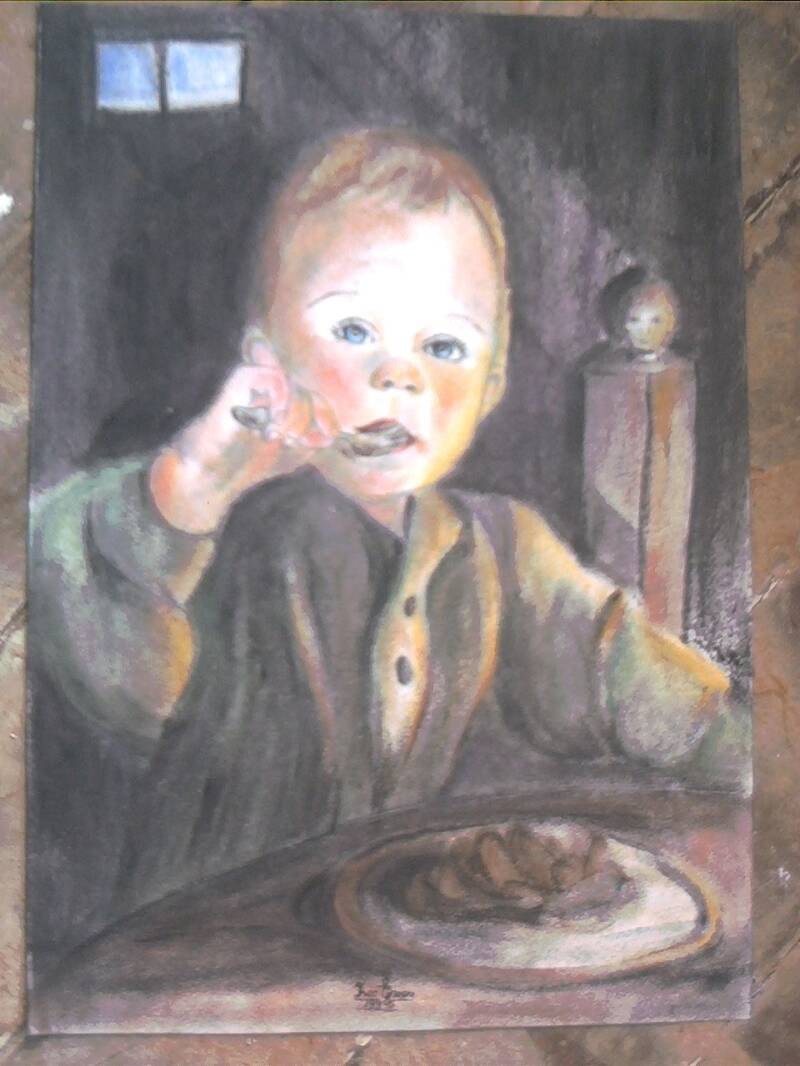
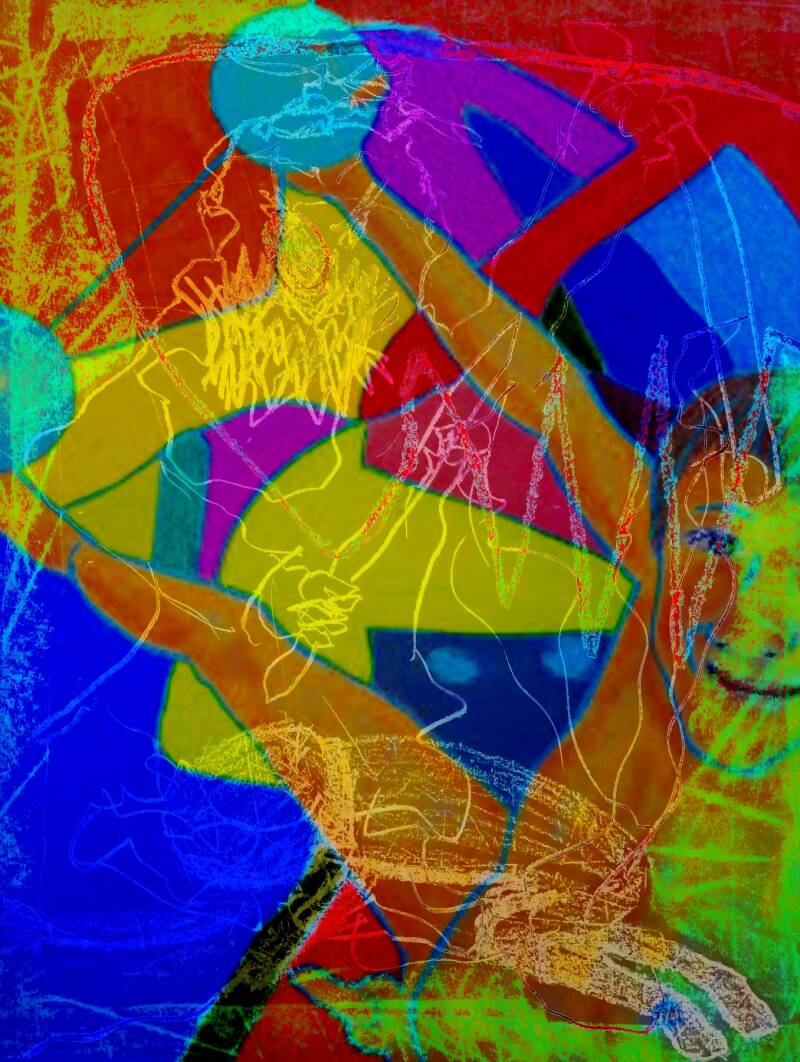
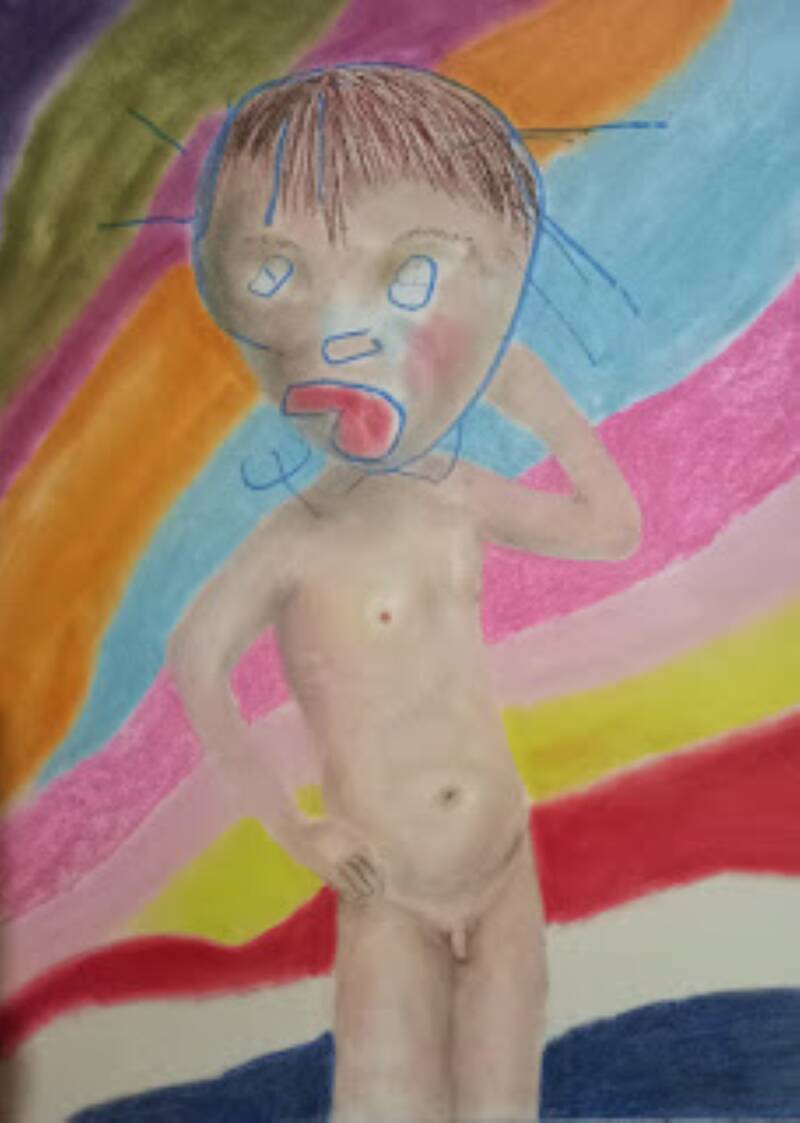
The many drawings of young boys that Groen creates do not function as portraits of others, but as reflections of a lost self. They are not nostalgic reconstructions, but attempts at recognition—a search for a boy who was never fully allowed to exist. Groen draws not to document, but to recover. Each line is an effort to approach a body, a posture, a gaze that was once suppressed by prolonged, violent pressure to be someone else.
In this search, Groen’s work resonates with artists who have taken their own vulnerability and marginality as a starting point. A meaningful parallel can be found in David Wojnarowicz, the queer artist who worked in the 1980s and 1990s from the edges of society. Wojnarowicz lived and worked in abandoned buildings, among communities of the homeless and addicted, using that context to explore how identity is shaped, distorted, and sometimes destroyed by social and cultural forces. As in Wojnarowicz’s practice, Groen’s work is not an illustration of trauma but an attempt to restore an inner truth that was once violated. The boy who appears again and again functions as an internal figure—a necessary guide in the process of rediscovery.
In Groen’s drawings, gender is not a fixed category but a terrain of loss, longing, and reconstruction. The young boy emerges as a figure of idealization, but also as a crucial key: an image through which the artist seeks involvement, connection, and a form of inner truth. It is a radical choice to search for the essential self in the place where it truly resides, even when that place stands in stark contrast to social norms or cultural expectations.
Groen’s project is therefore not a reconstruction of youth, but a dismantling of trauma. By drawing the boy—again and again, in variations and repetitions—a space opens in which the original violence loses its hold. The drawings become an exercise in repair: a way to grant existence to a self that was once denied.
In dialogue with Zappa’s message, a powerful statement emerges: identity is not a role imposed from the outside, but an inner reality that can only be found by acknowledging it, even when that acknowledgment goes against the current. In Groen’s work, You are what you is becomes not an ironic slogan, but an existential necessity.
Selection/ selection- all media 2019-2025

Non- LGBT - boy, Composed objects 2016